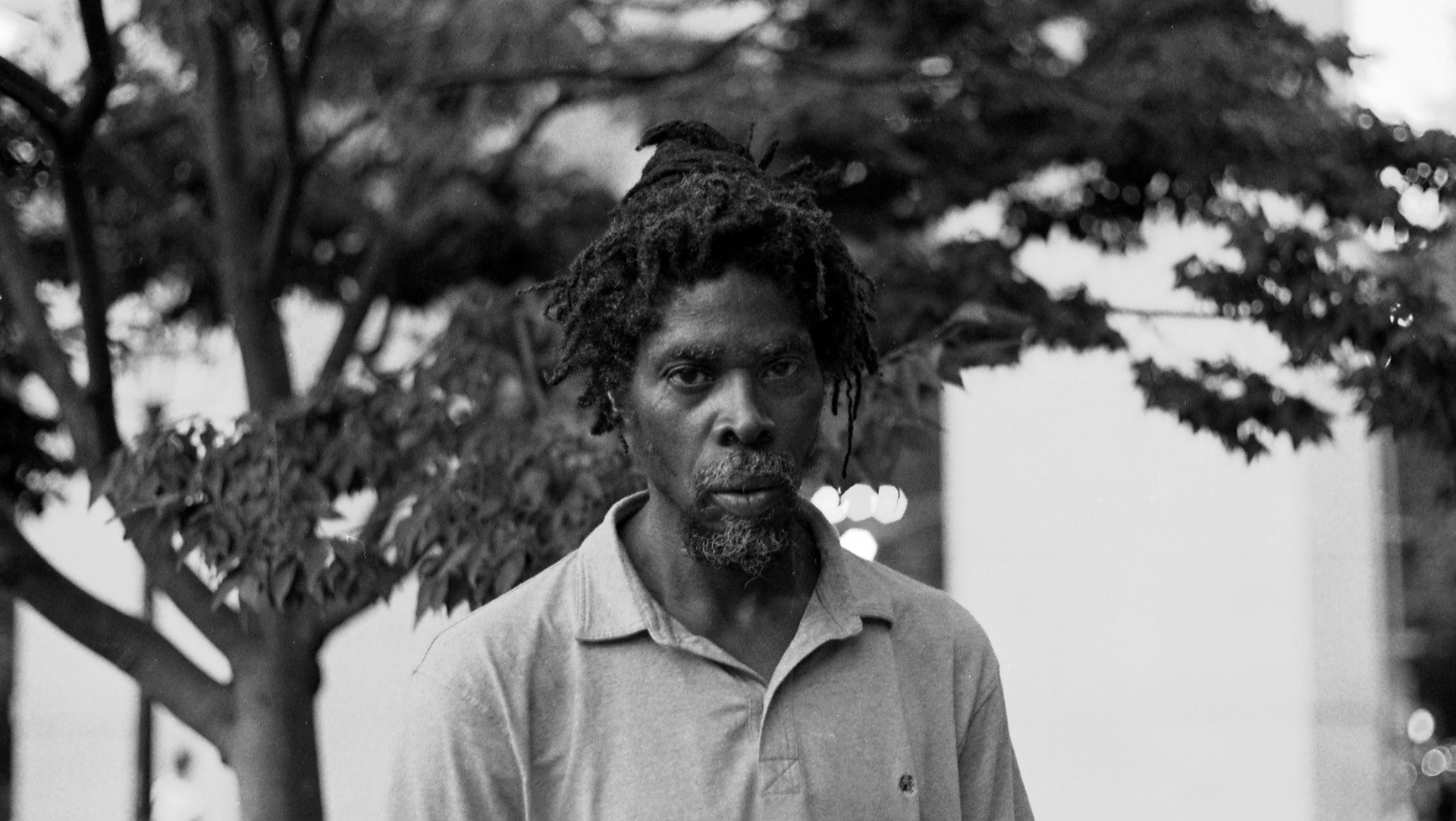




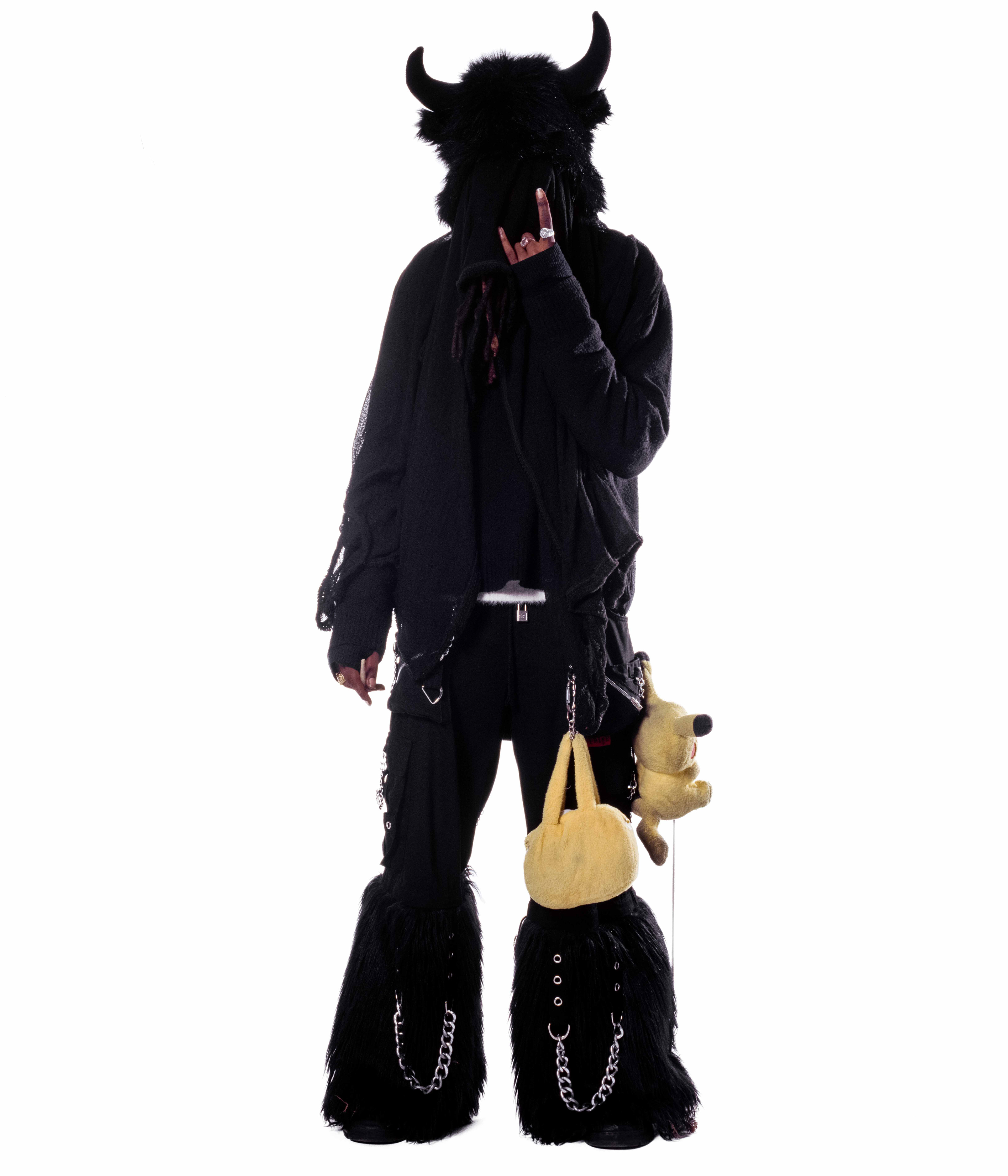
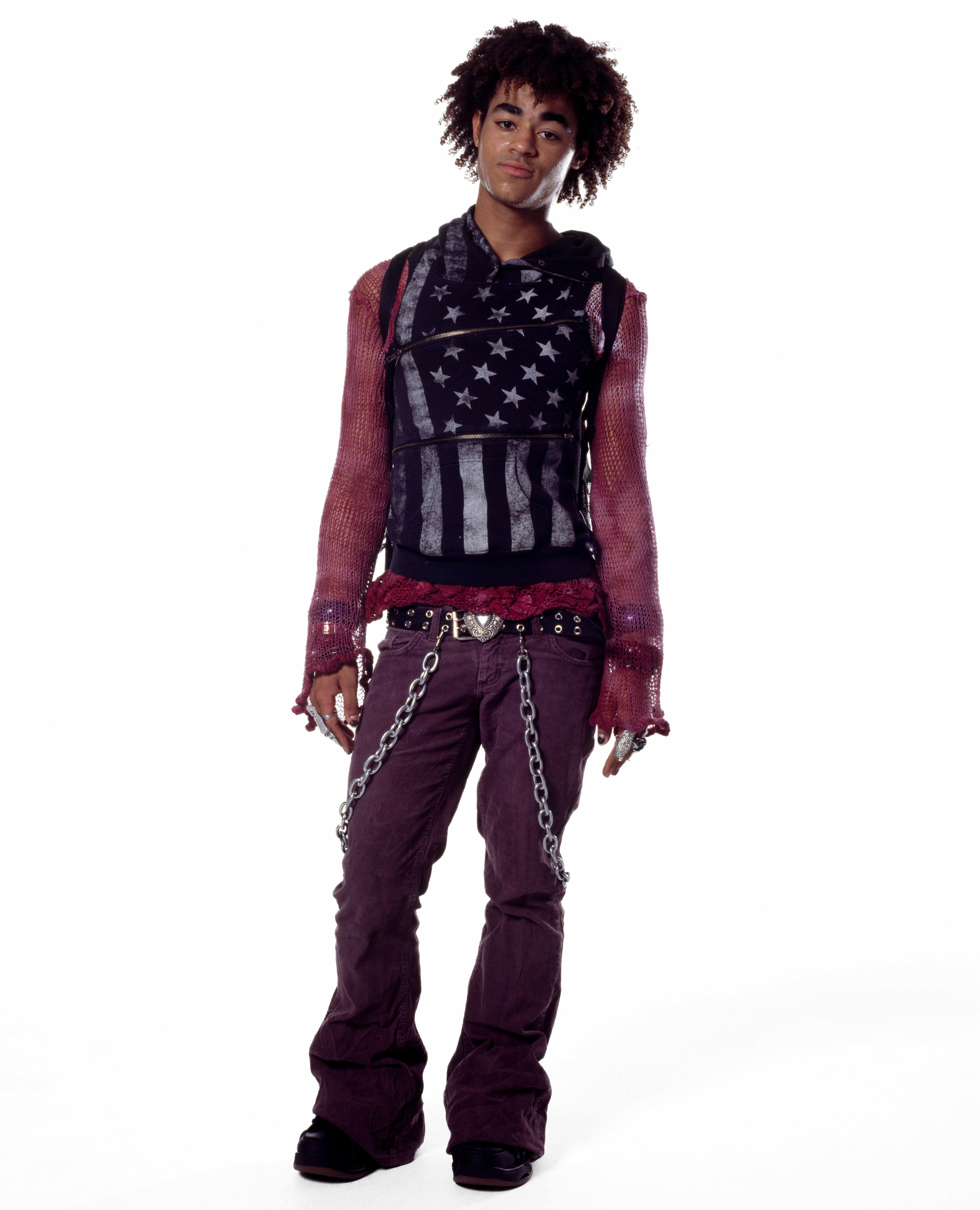
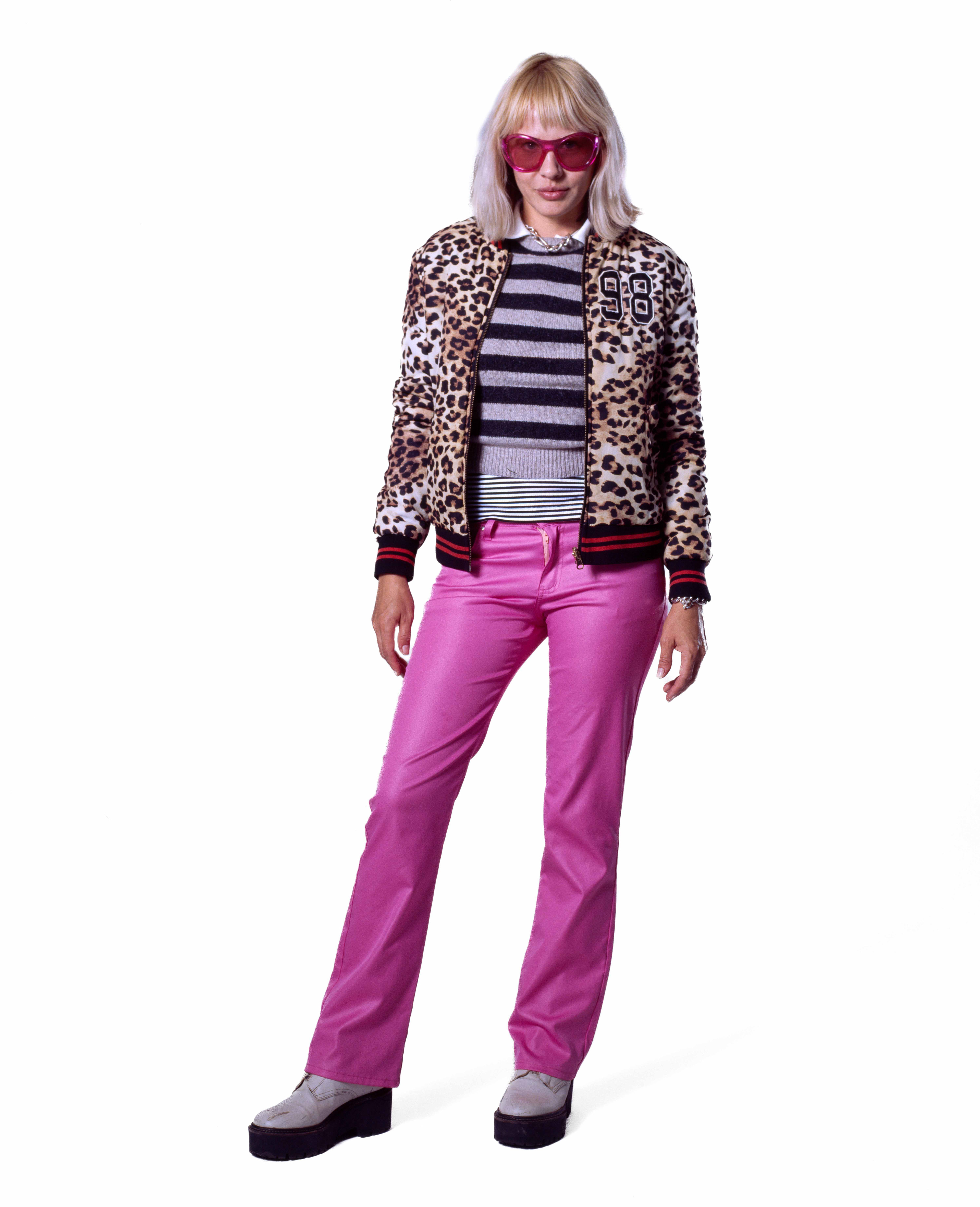
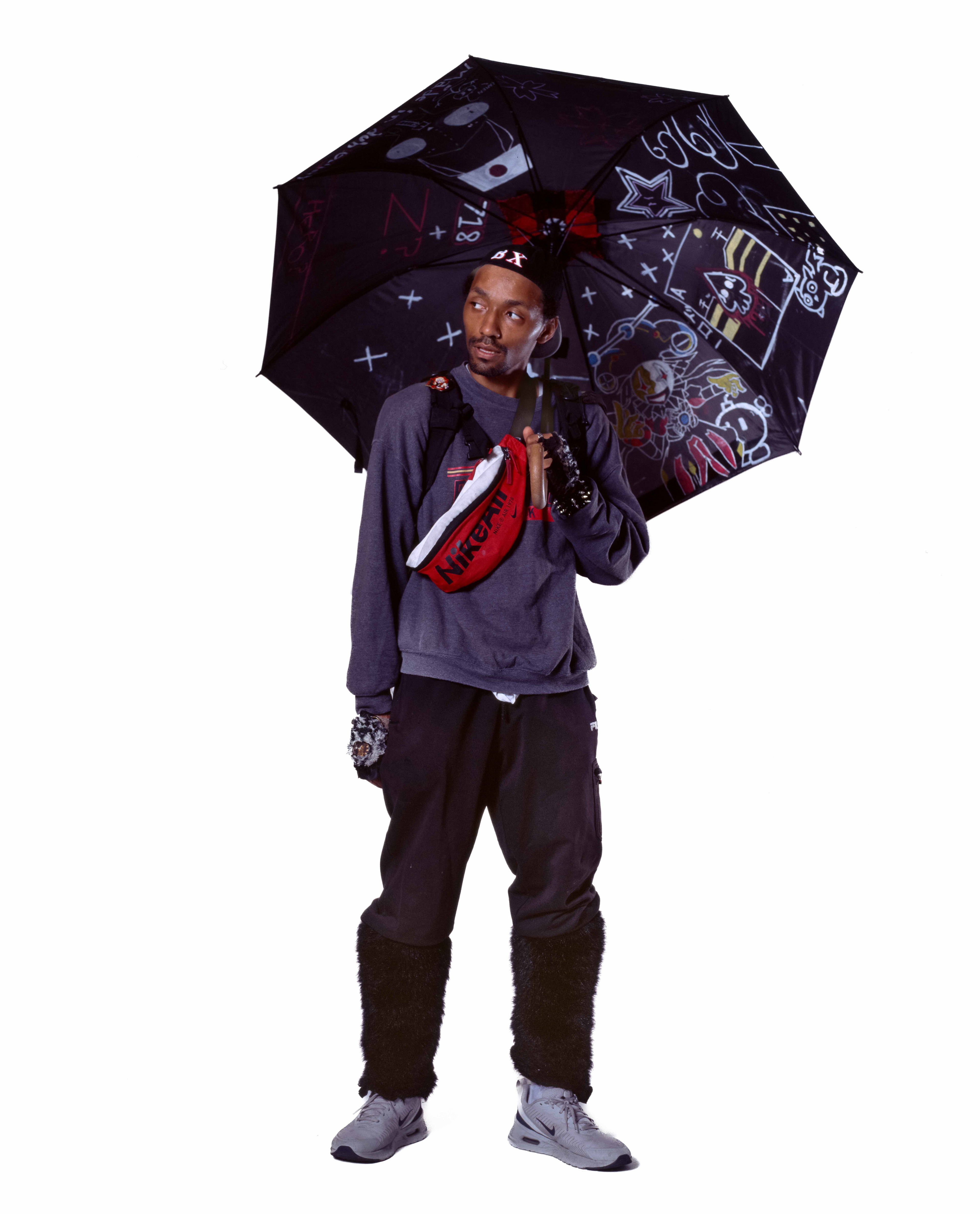


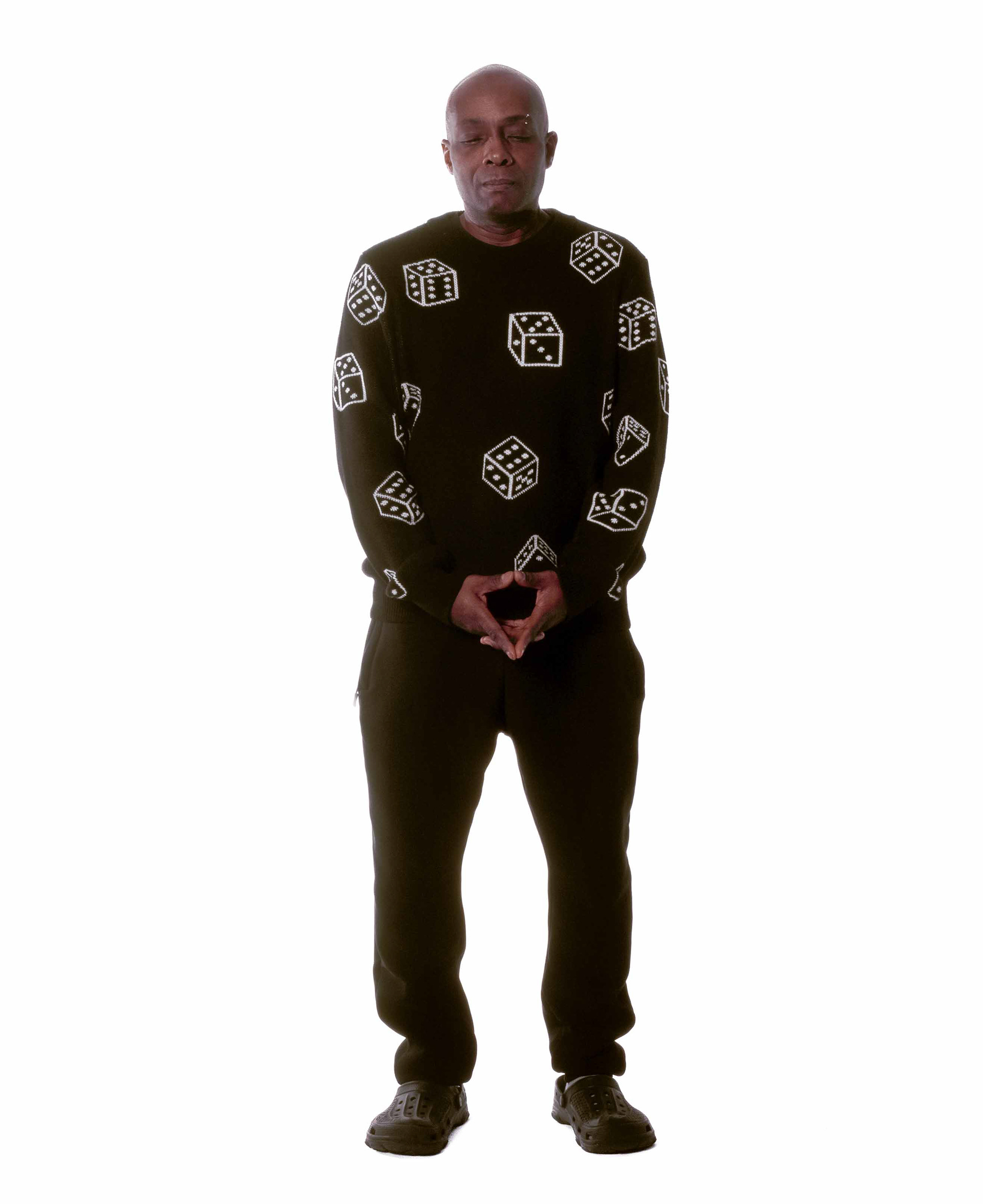
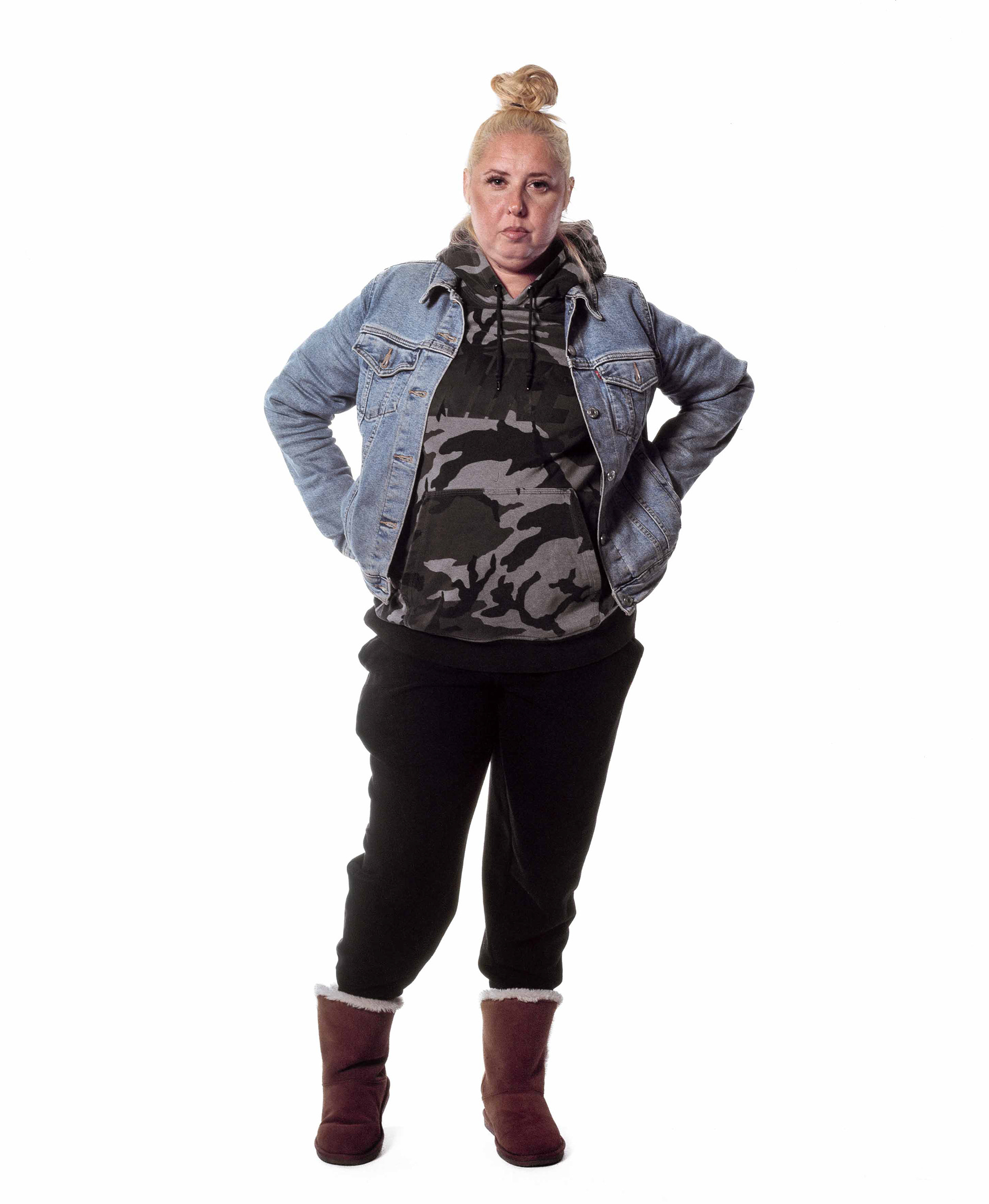

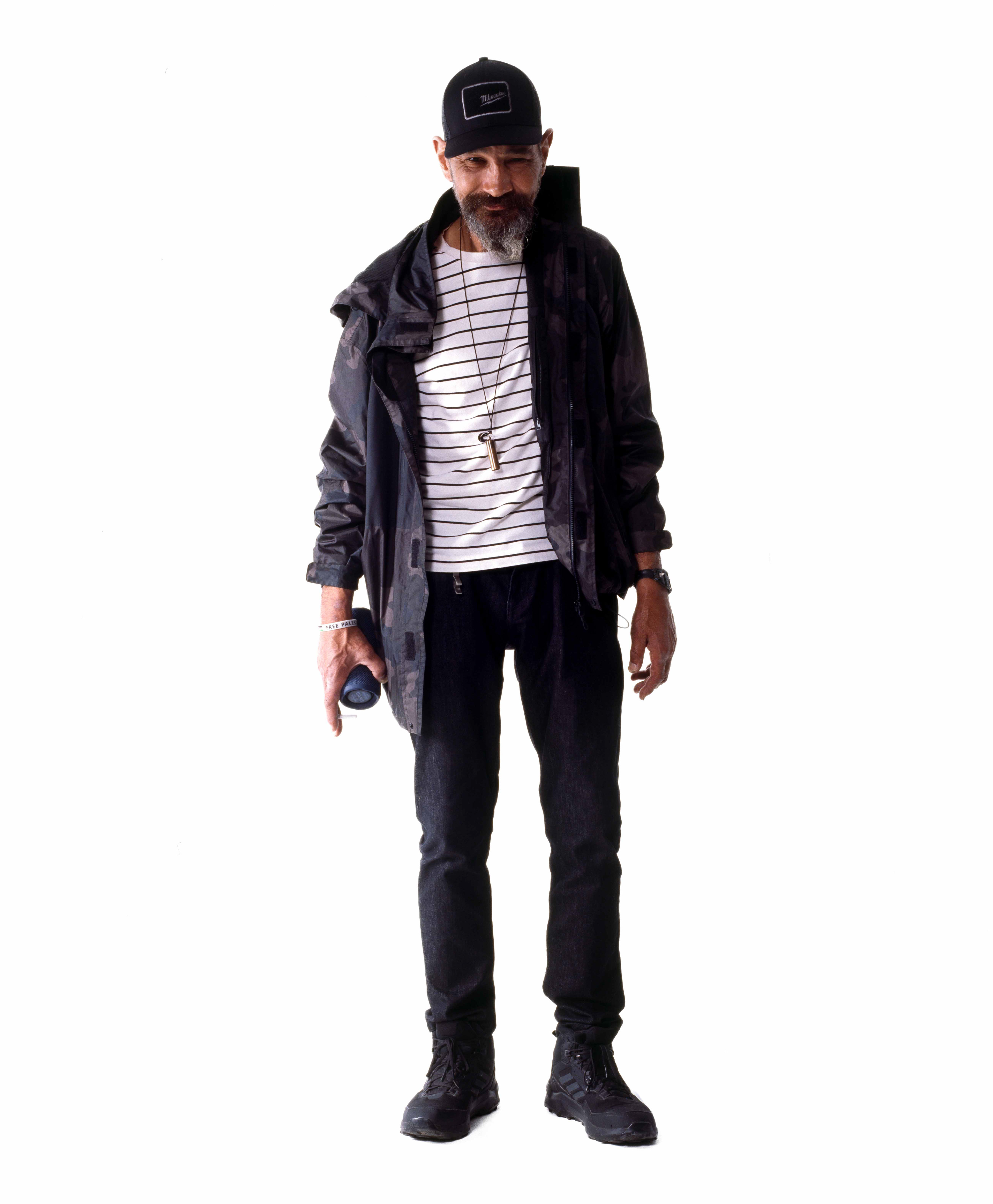

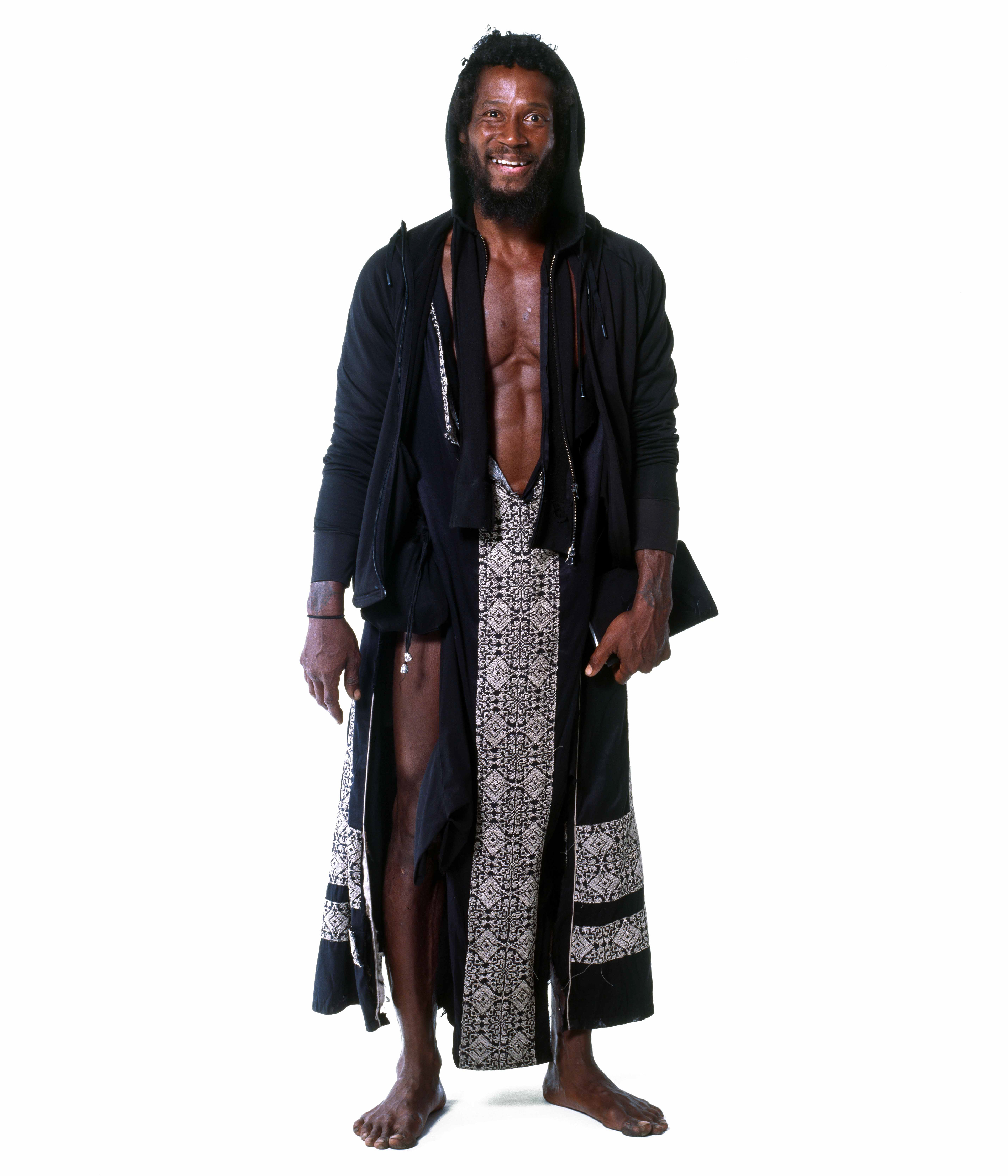
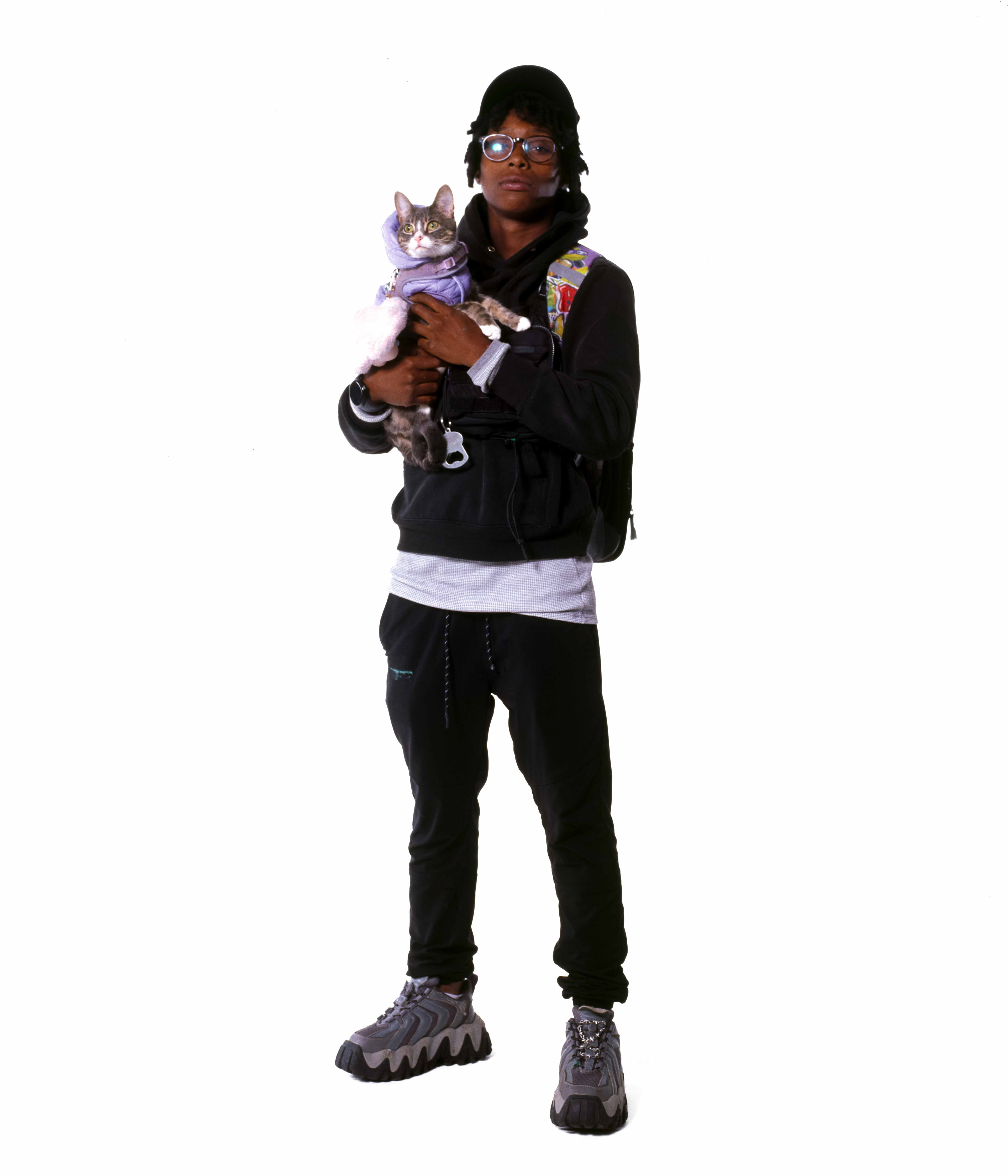
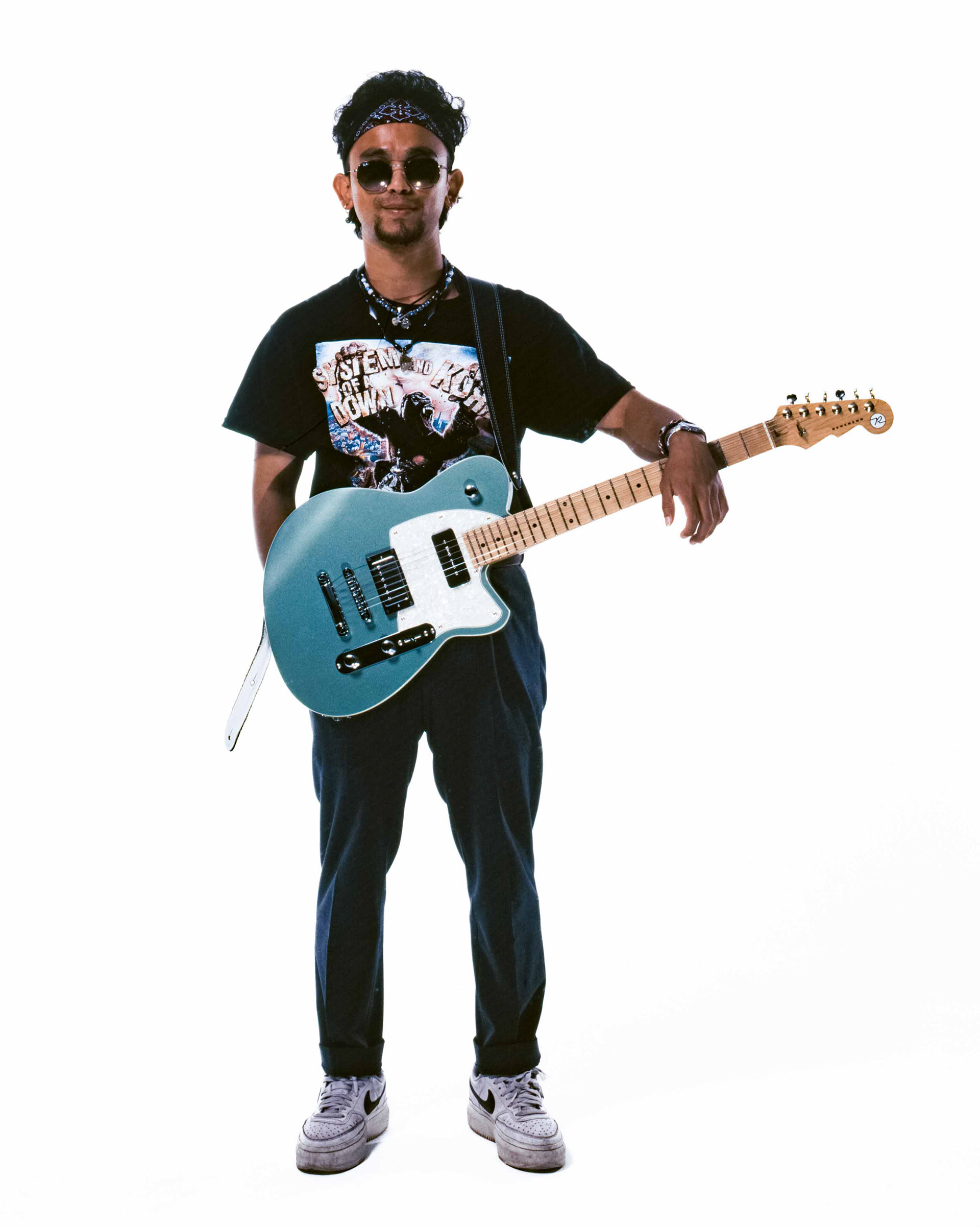
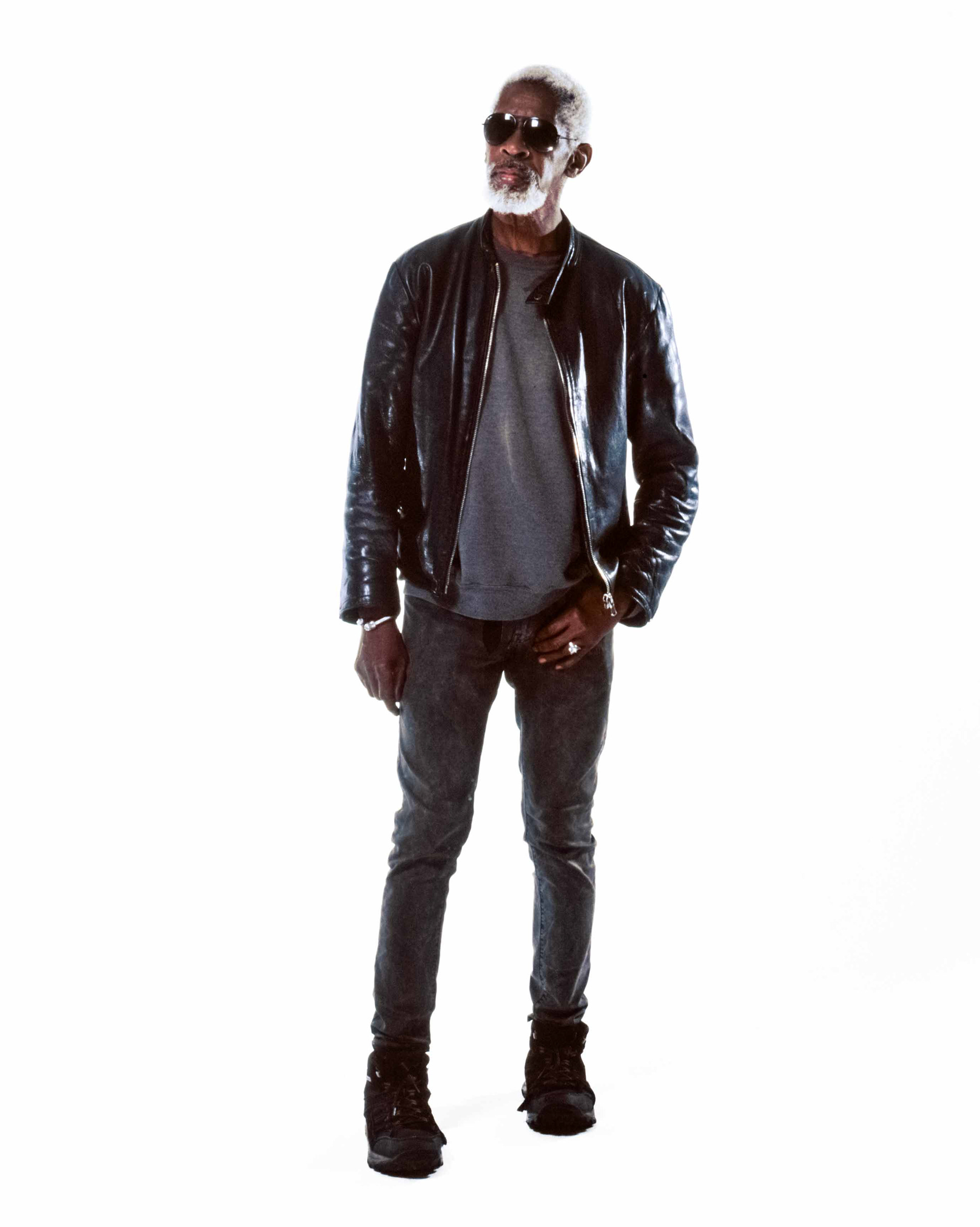

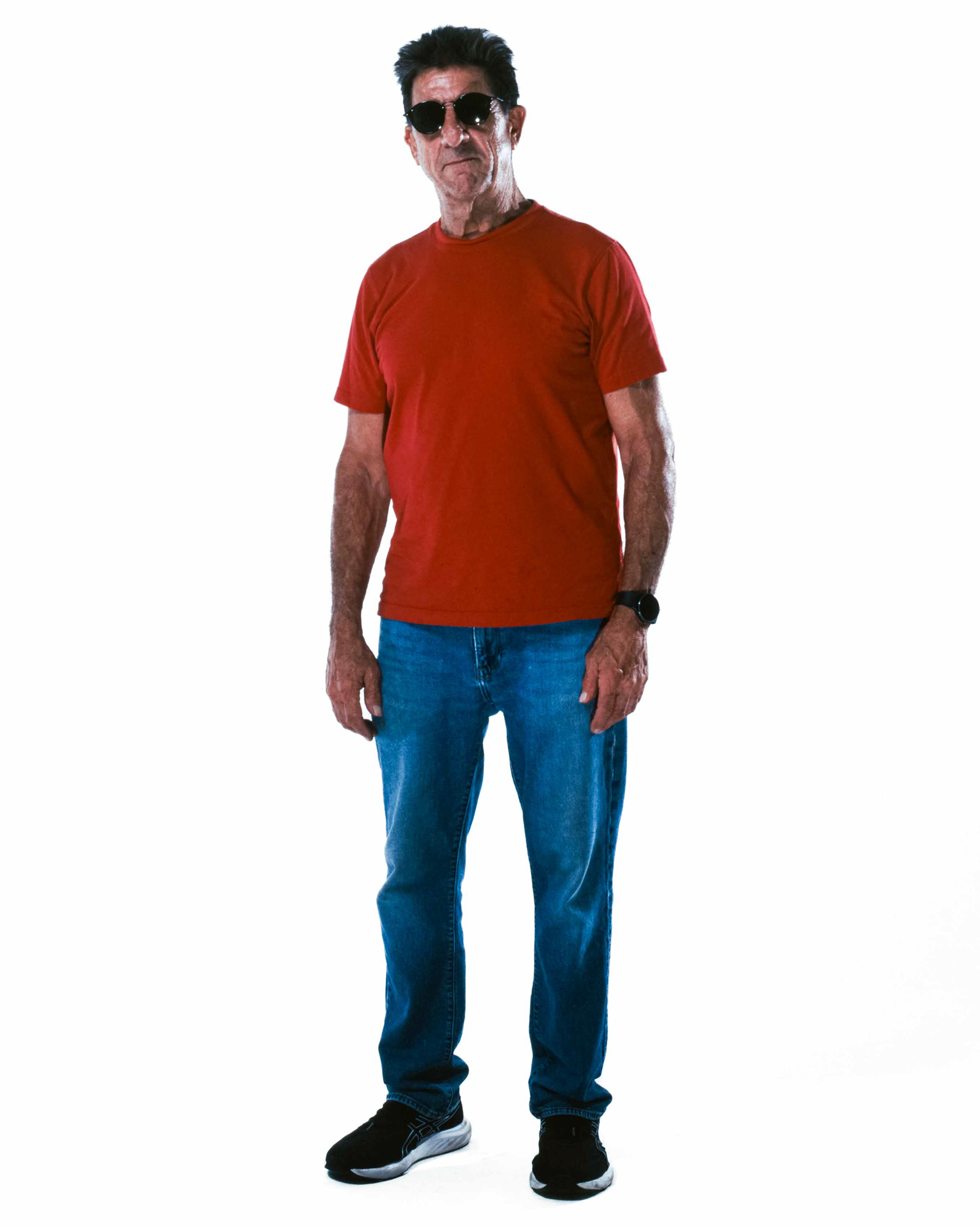
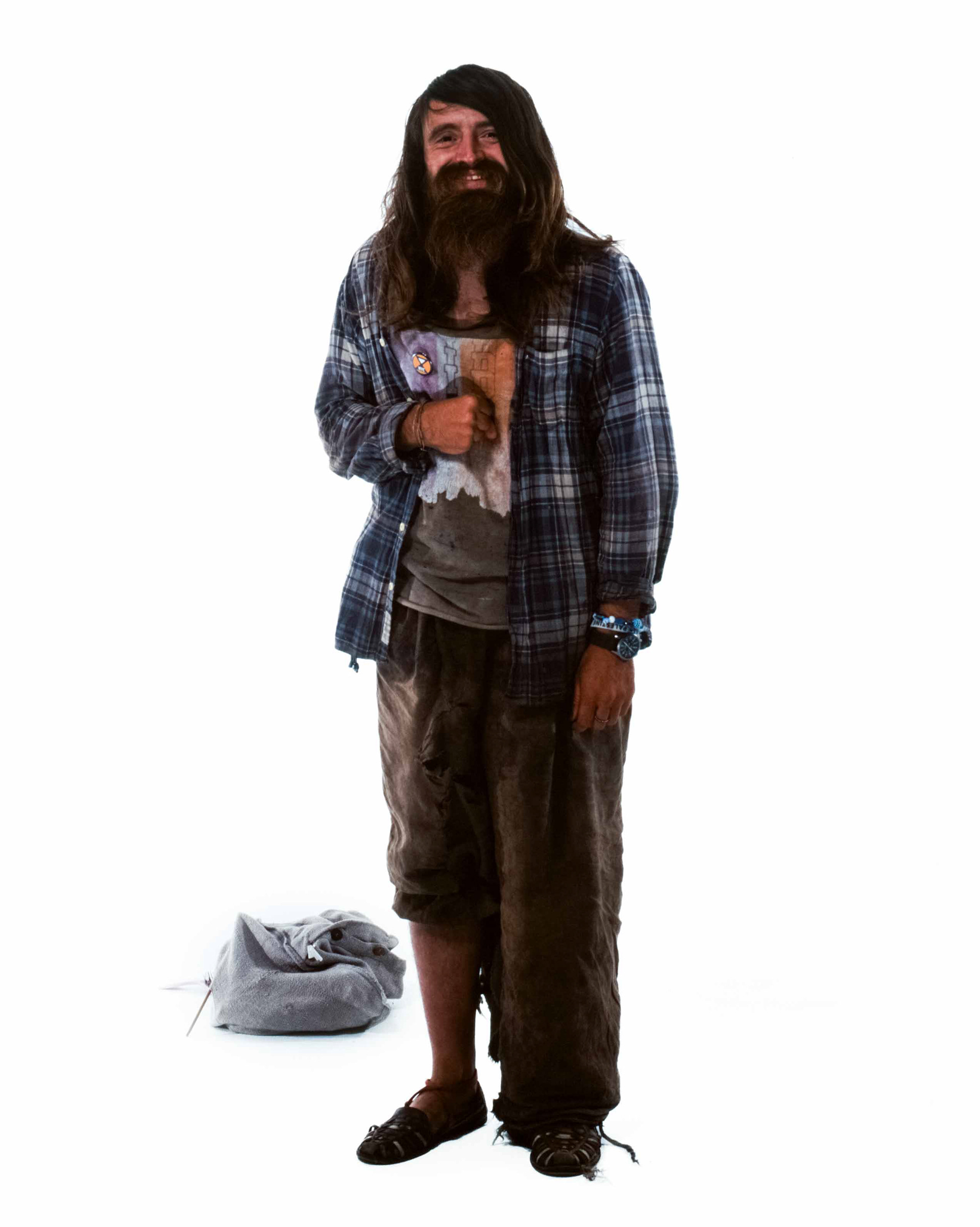
Washington Square Park is a hub for some of the world’s most distinctive and fascinating people in the world. Over the past couple years, I have been coming to the park daily and I have noticed the same faces returning again and again.
Over time I met them, talked to them, and through this photography project became much closer with the people who fill the park with life. I saw styles and personalities you simply can’t find anywhere else. I met artists, vendors, singers, dancers, interviewers, and—just as importantly—the people who come simply to look, to breathe and to witness the wonders of the park. I didn’t want
to only photograph the regulars, because the tourists and people-watchers add so much to the energy.
Over time I met them, talked to them, and through this photography project became much closer with the people who fill the park with life. I saw styles and personalities you simply can’t find anywhere else. I met artists, vendors, singers, dancers, interviewers, and—just as importantly—the people who come simply to look, to breathe and to witness the wonders of the park. I didn’t want
to only photograph the regulars, because the tourists and people-watchers add so much to the energy.
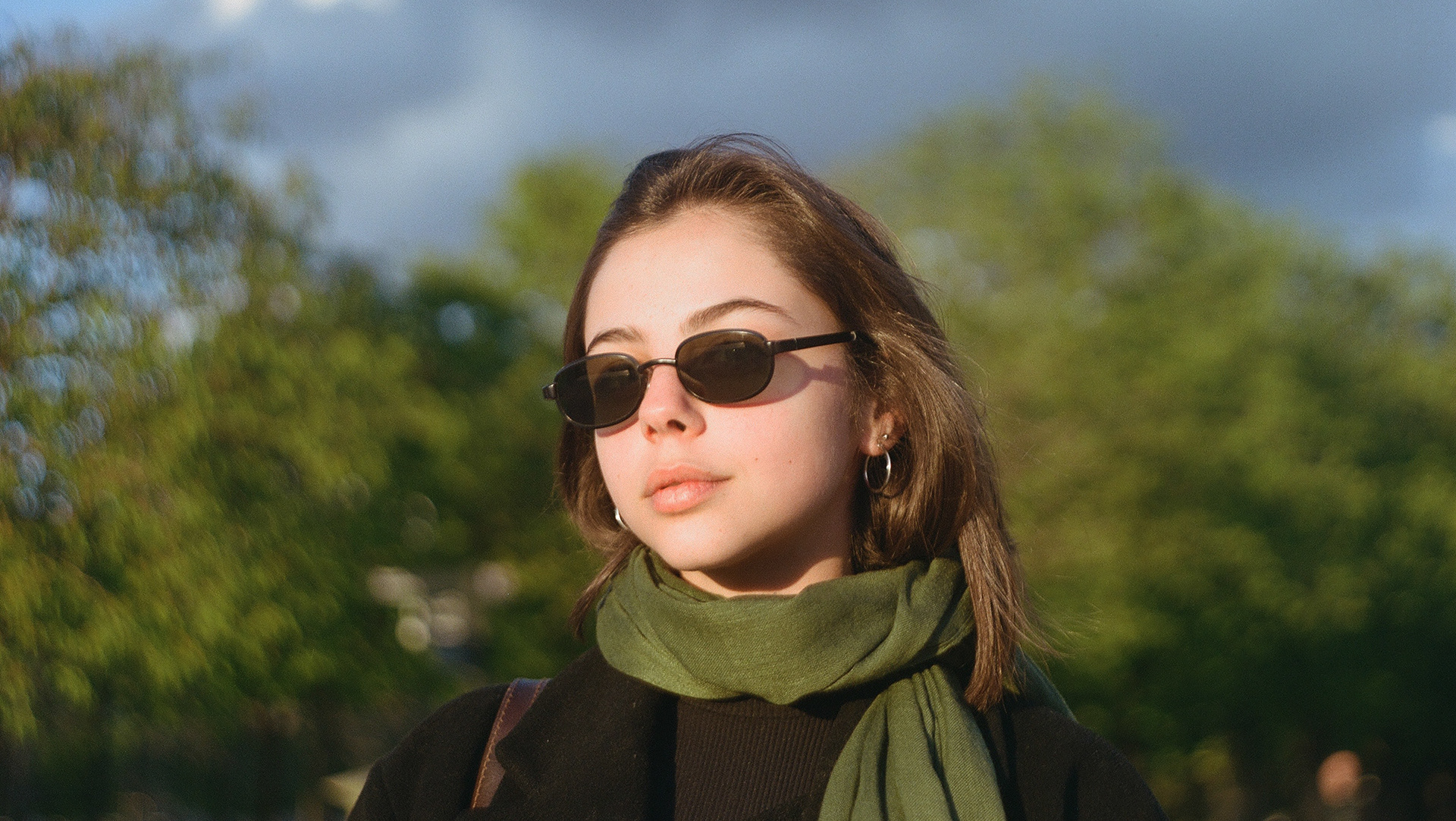
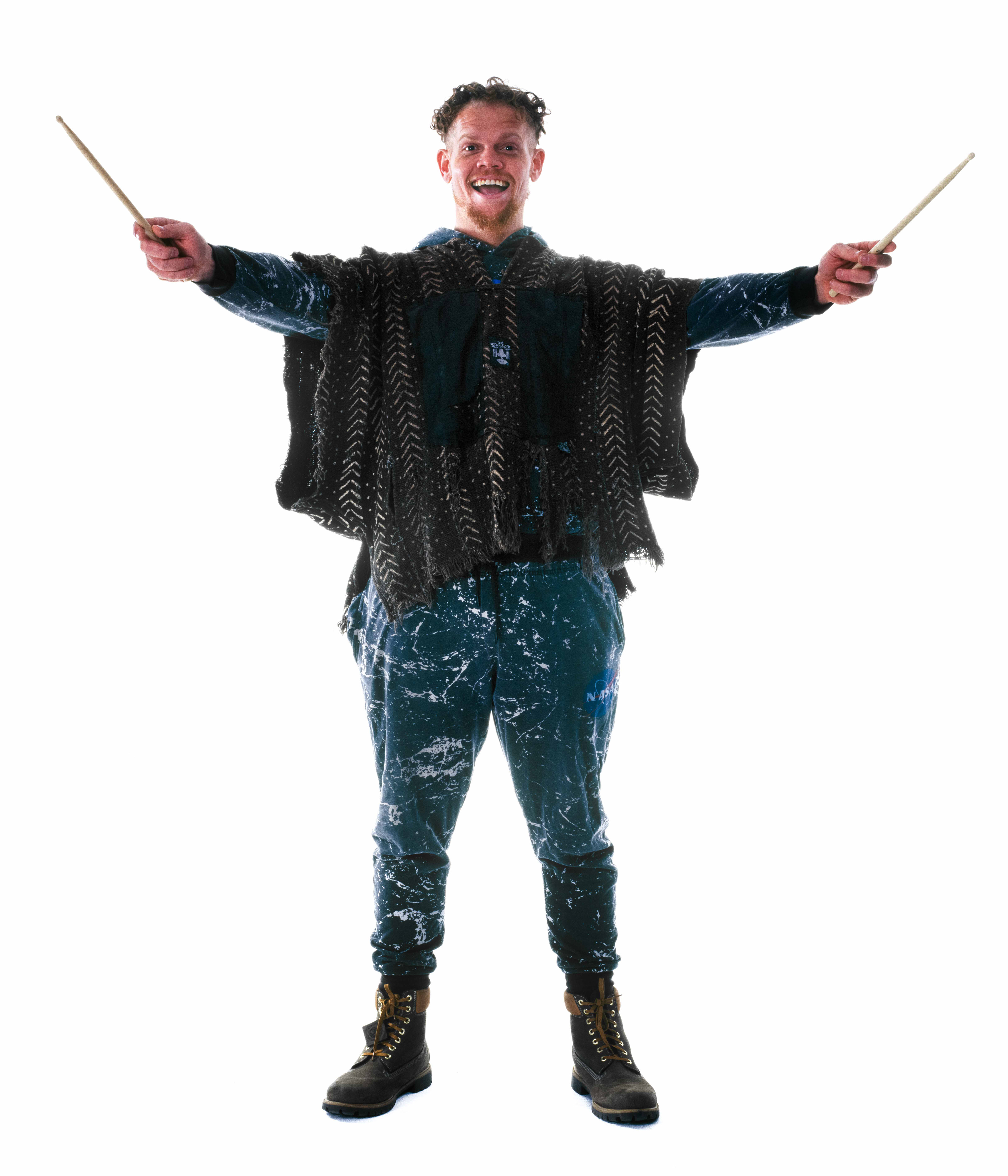
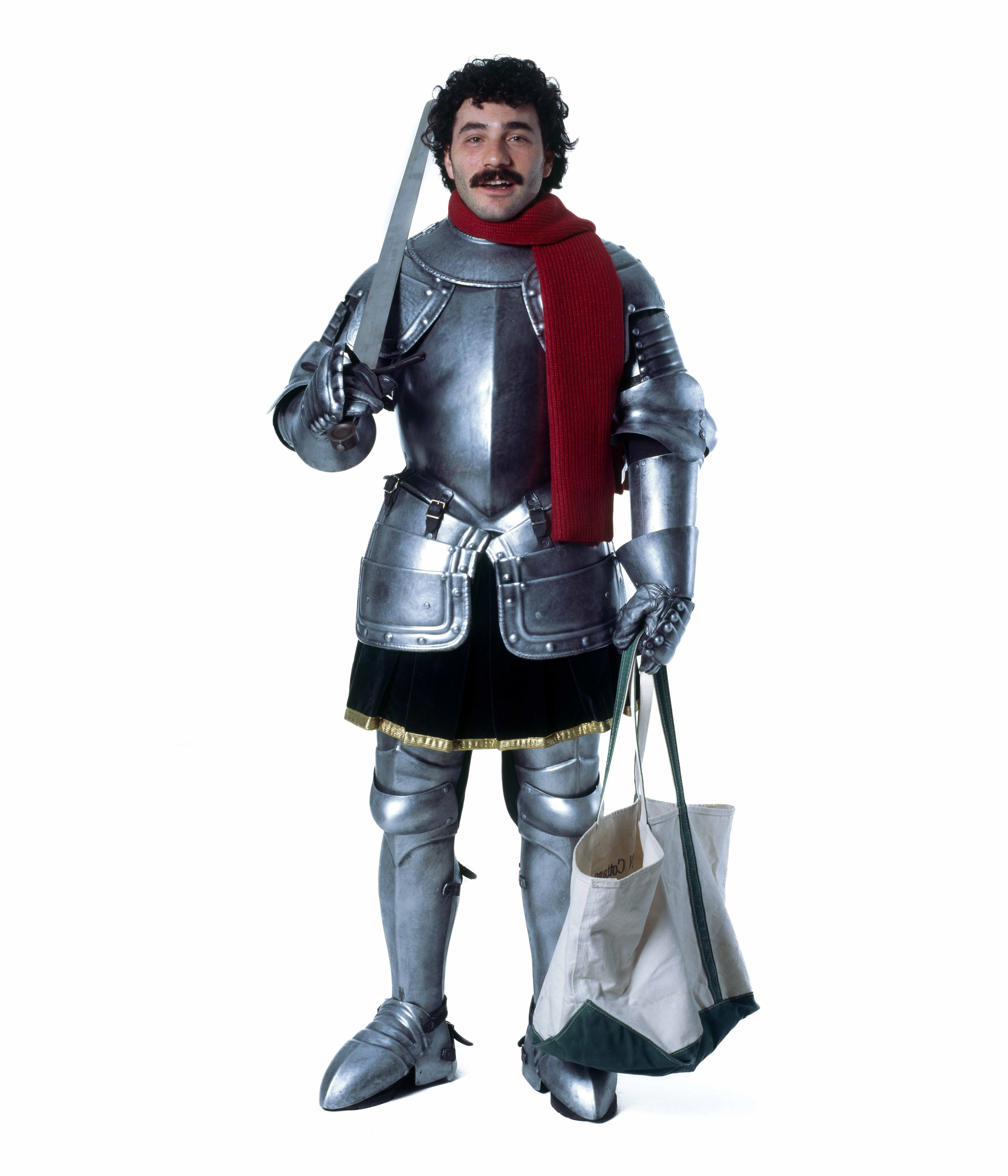
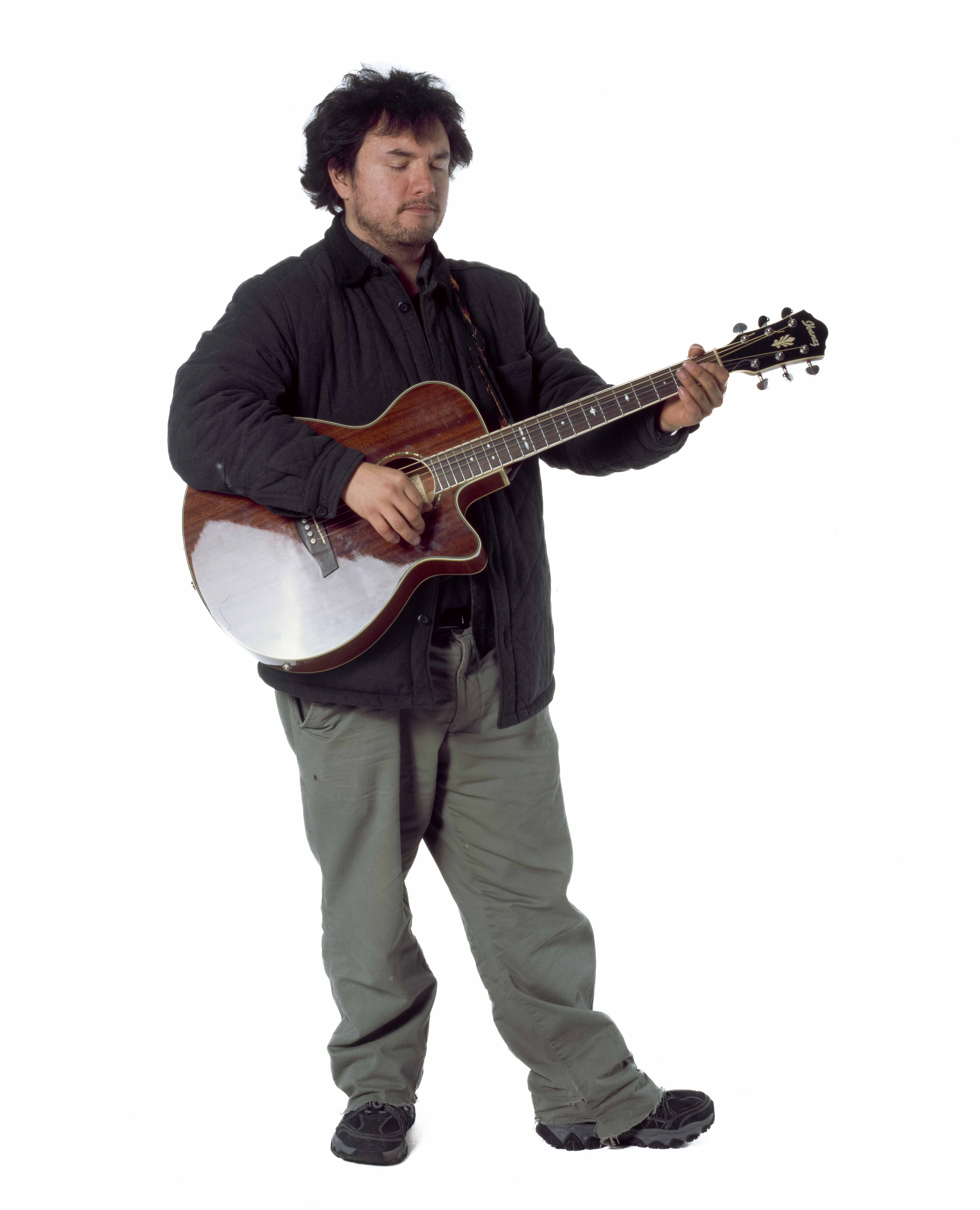
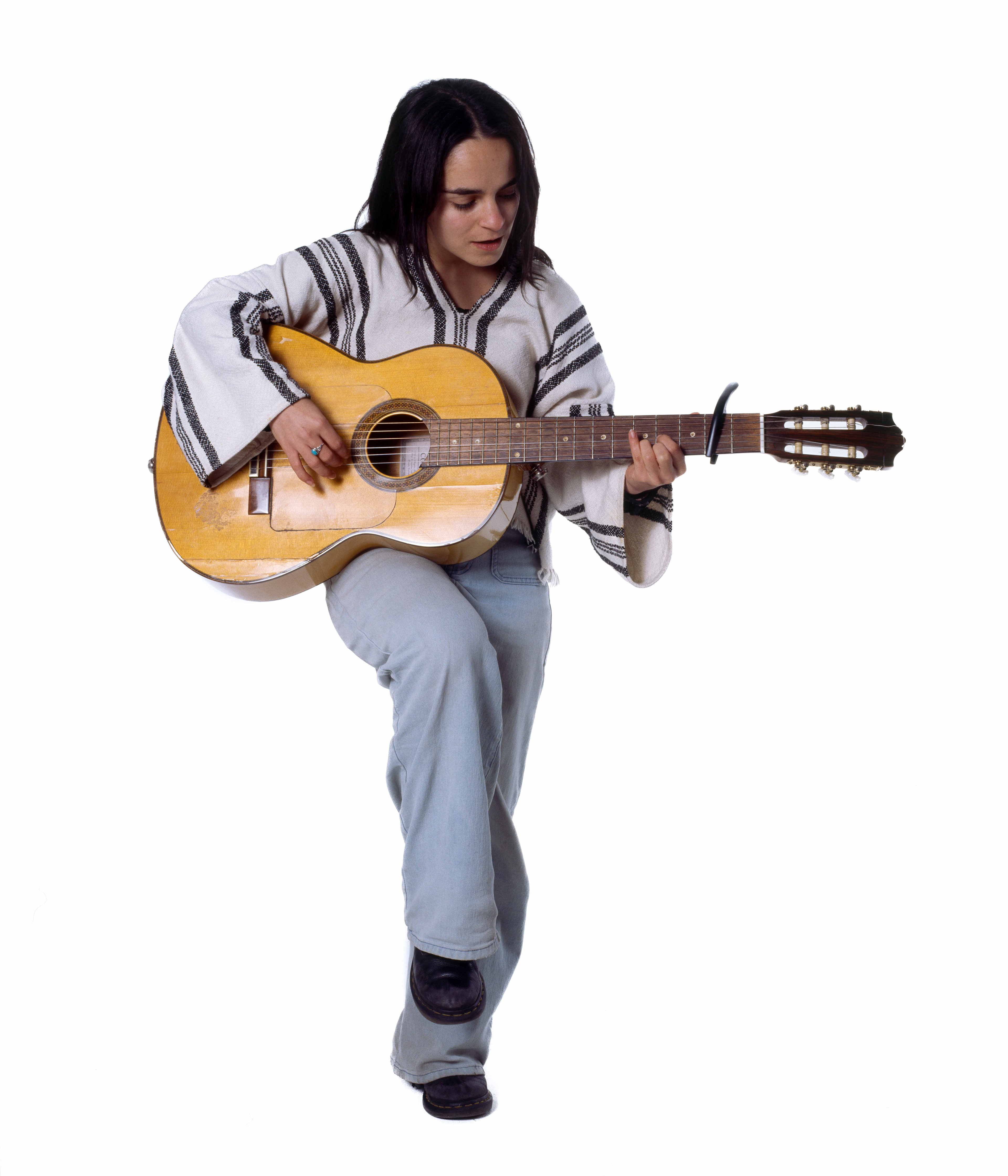
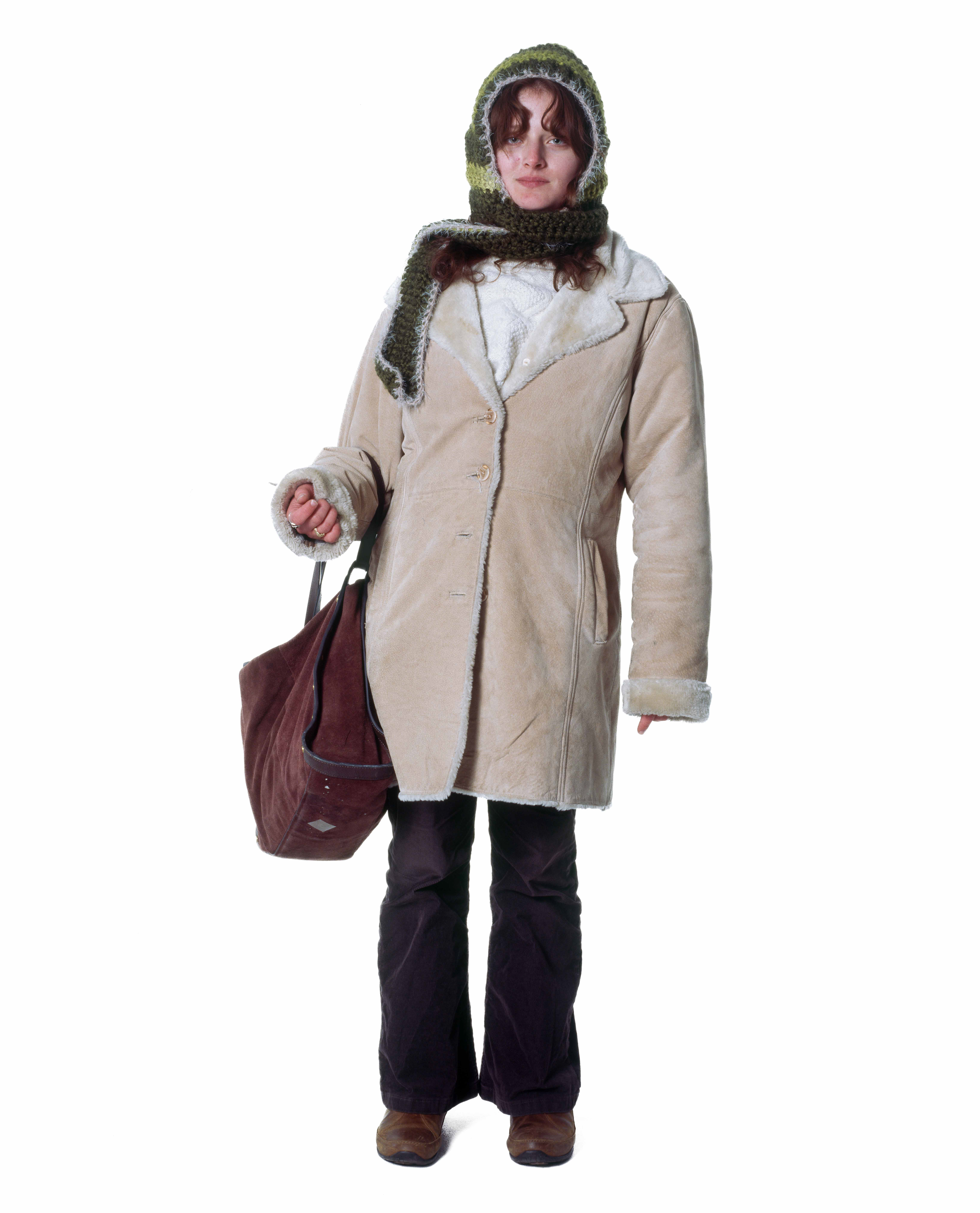
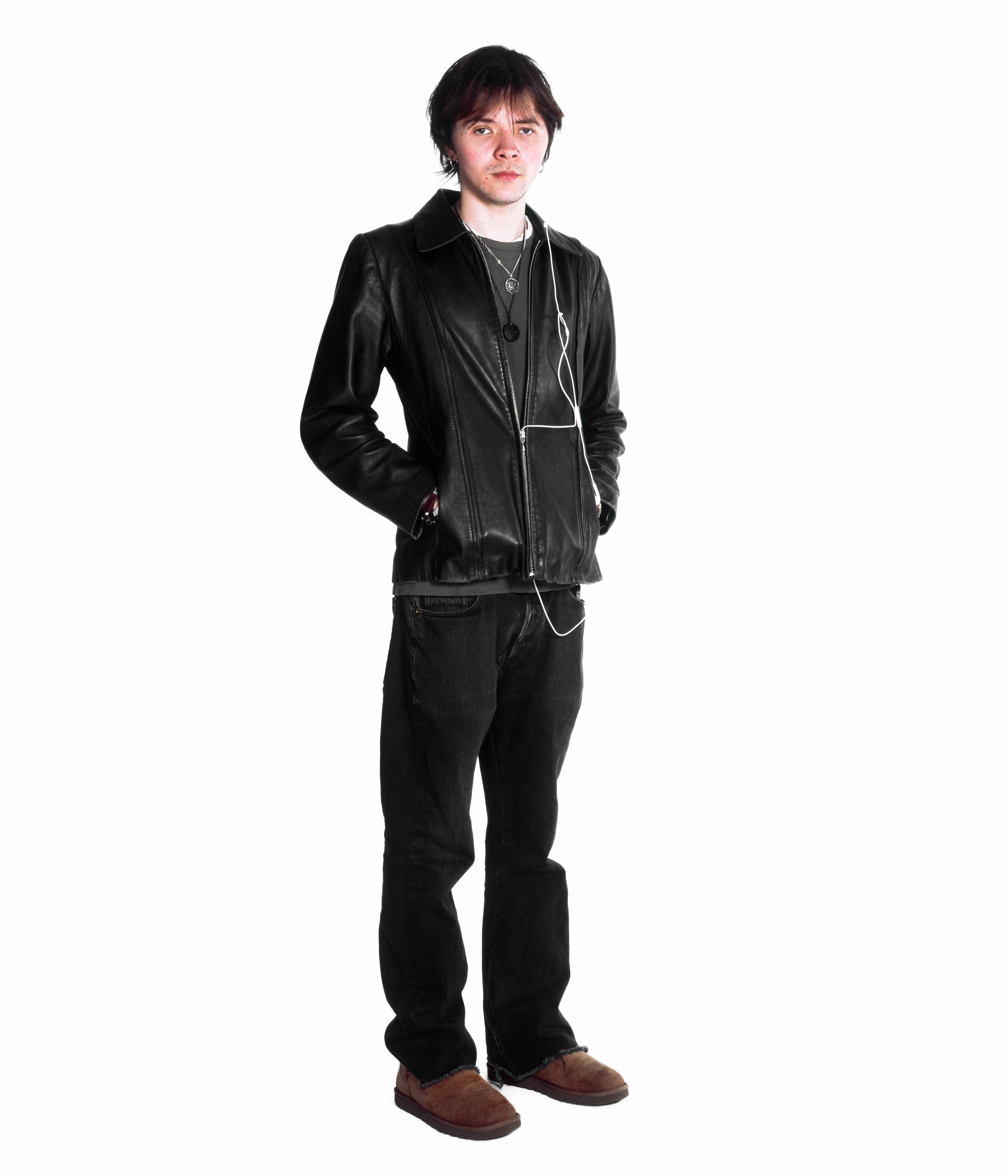
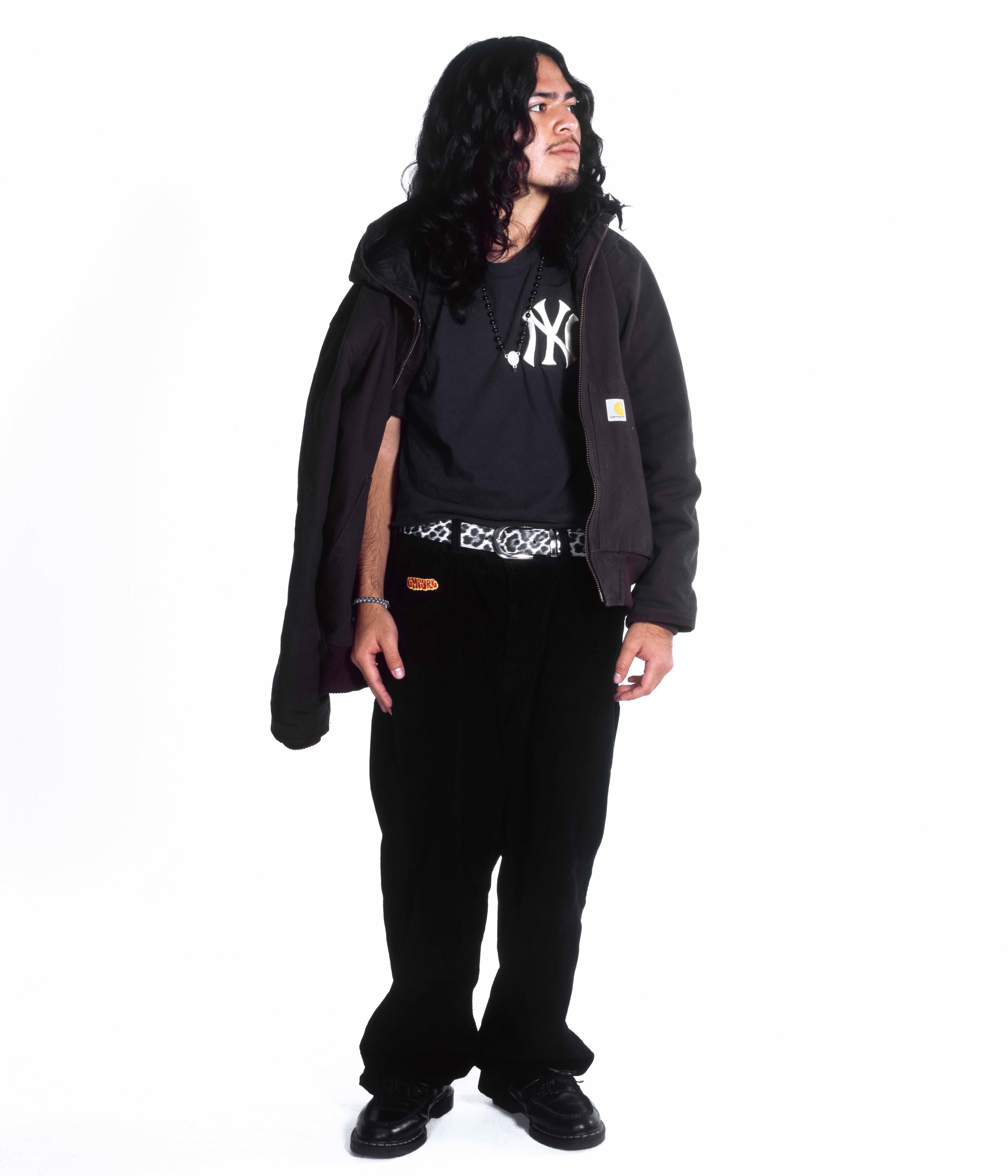
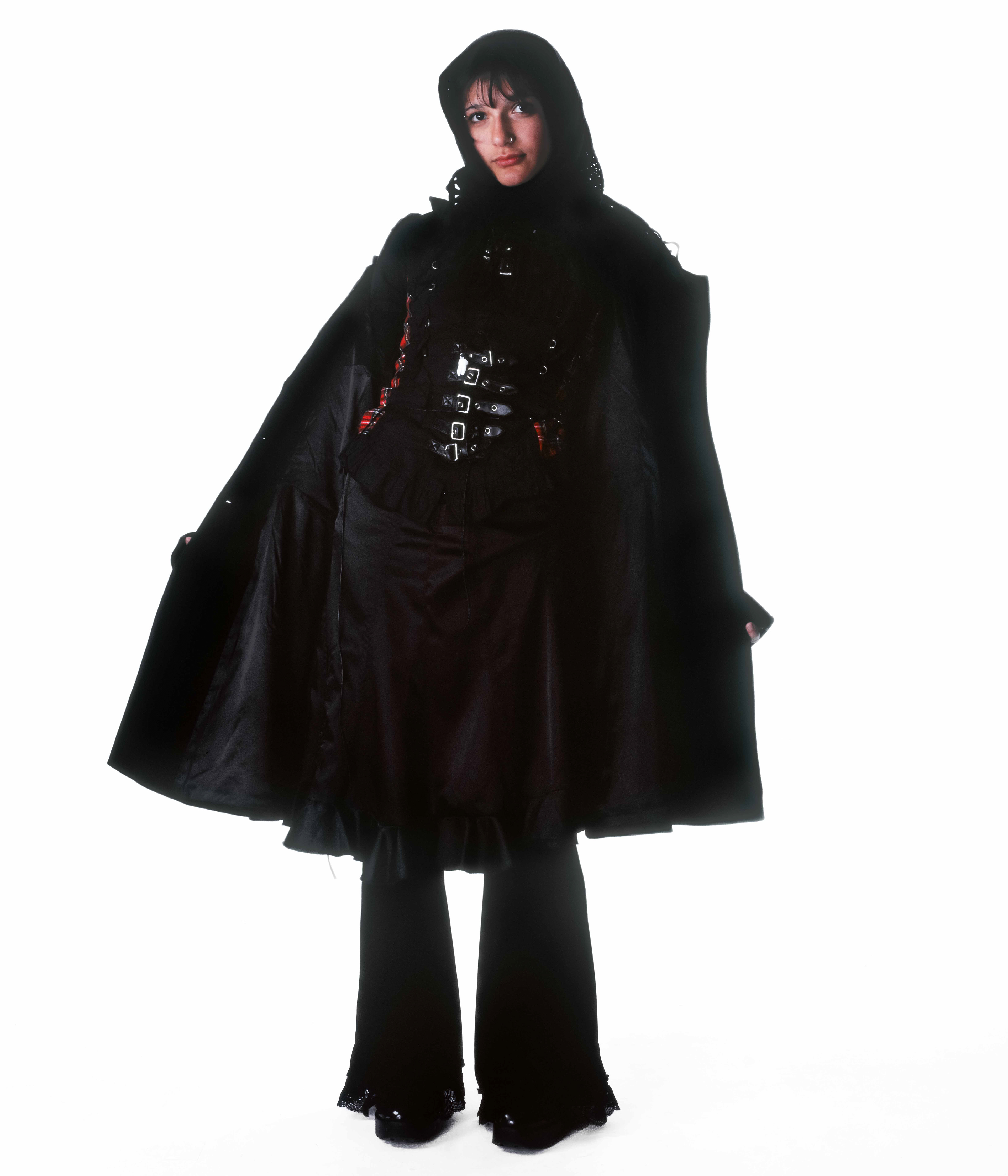
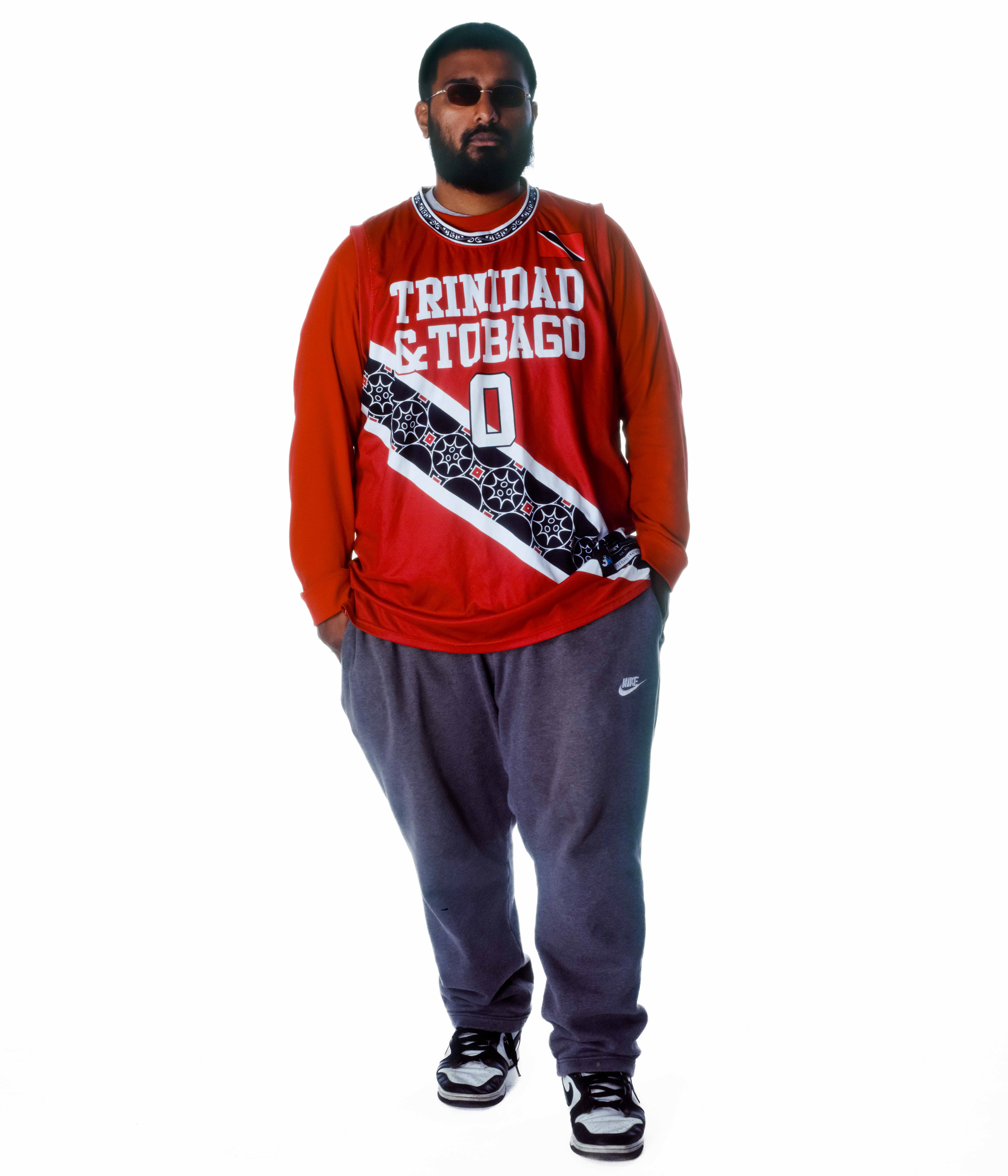
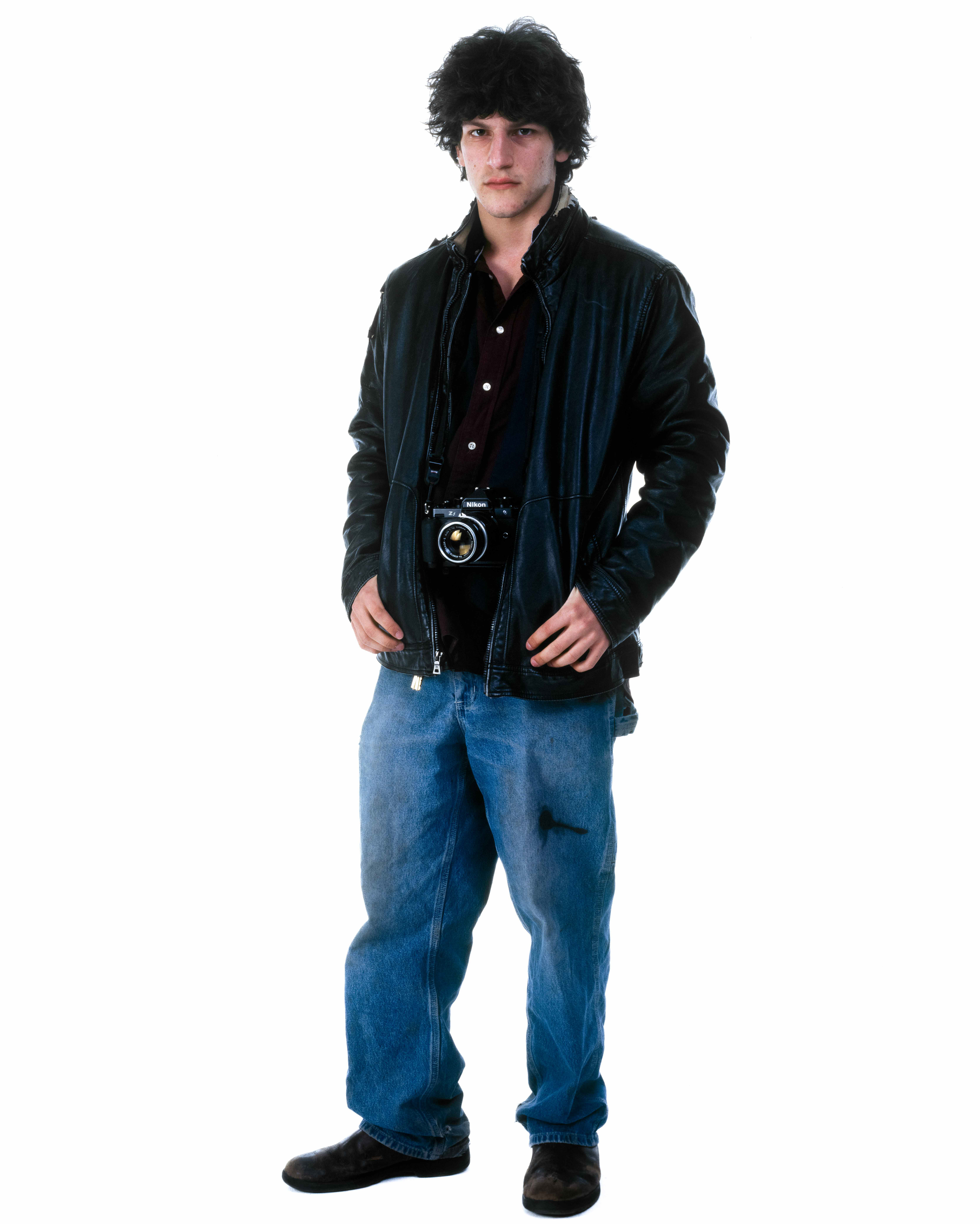
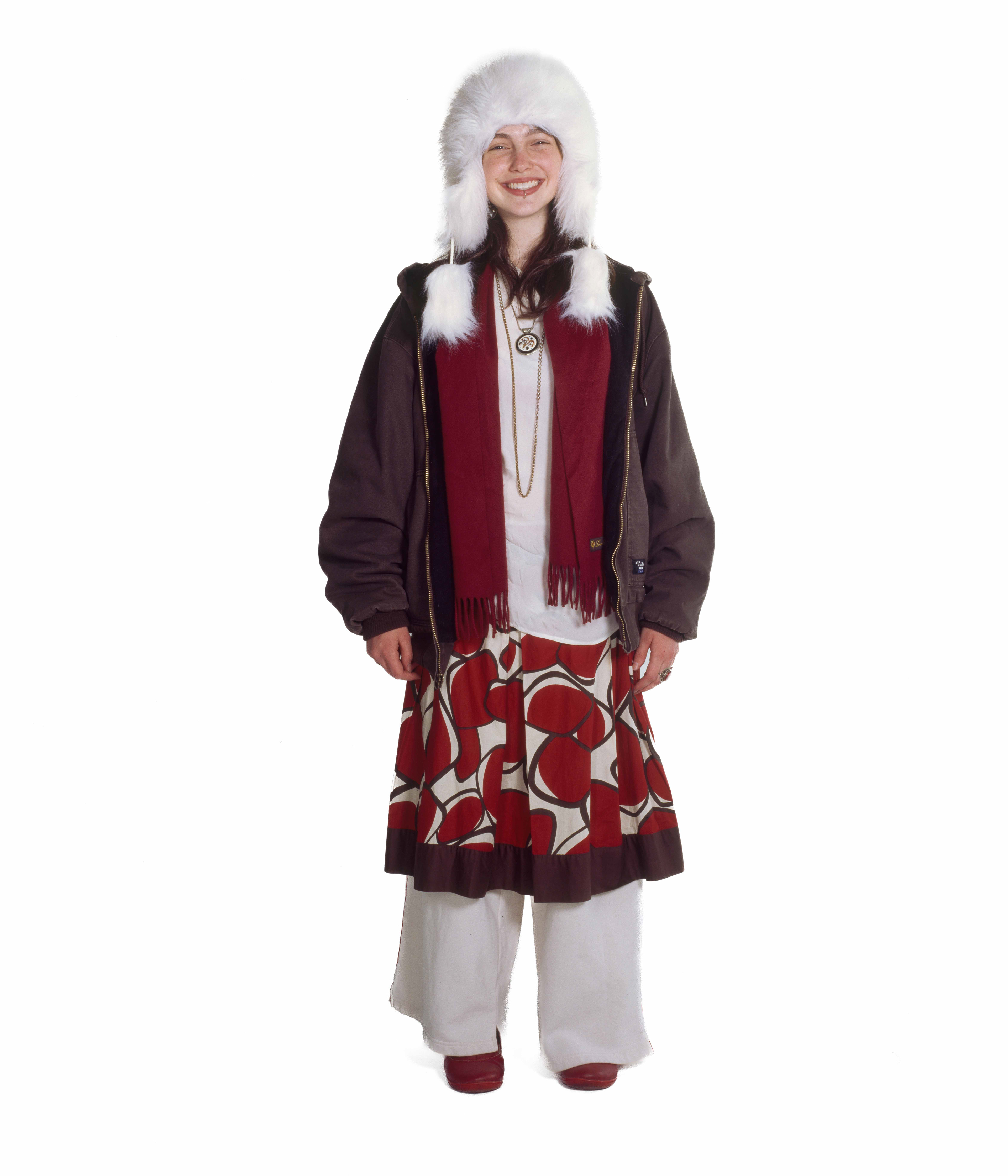
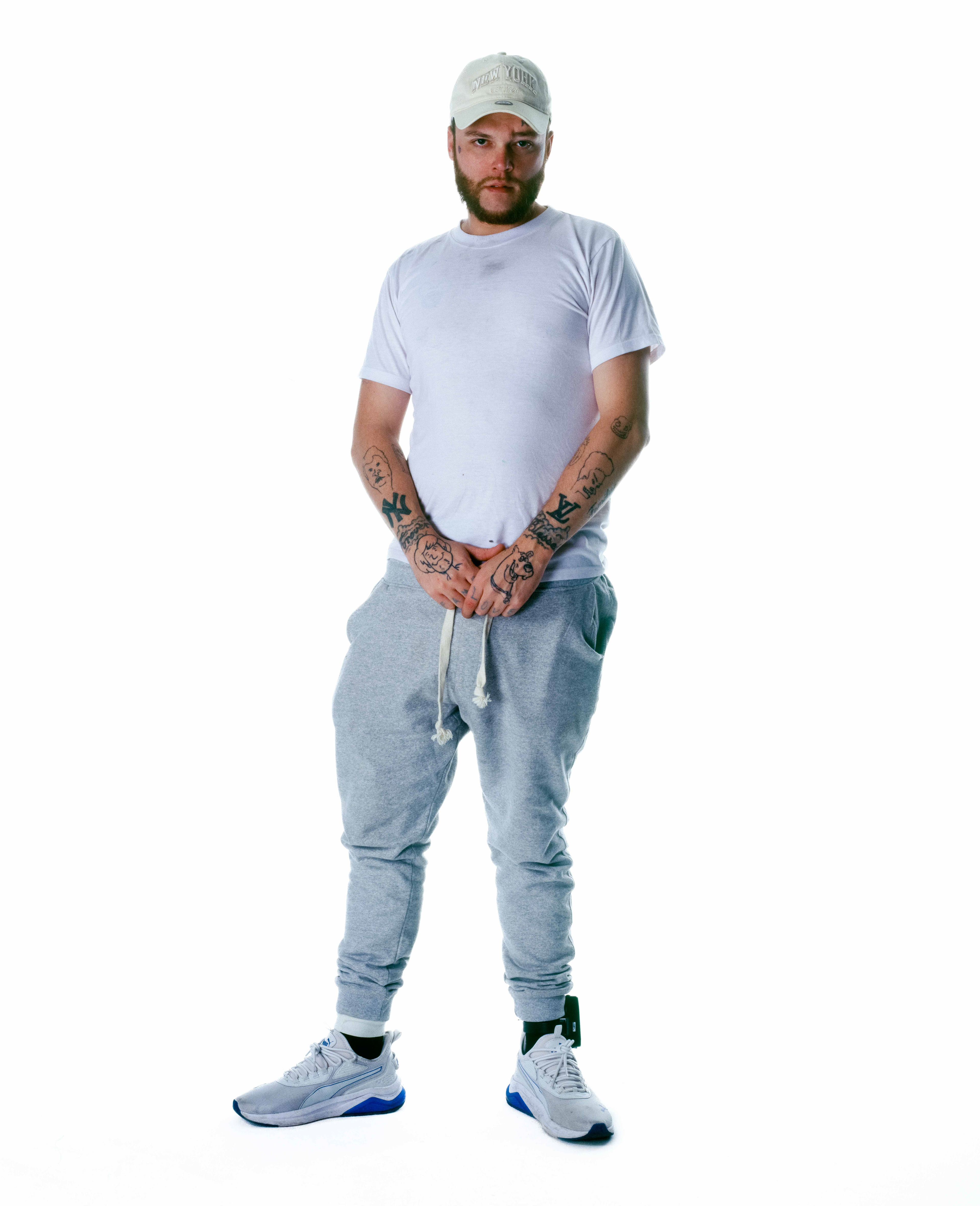
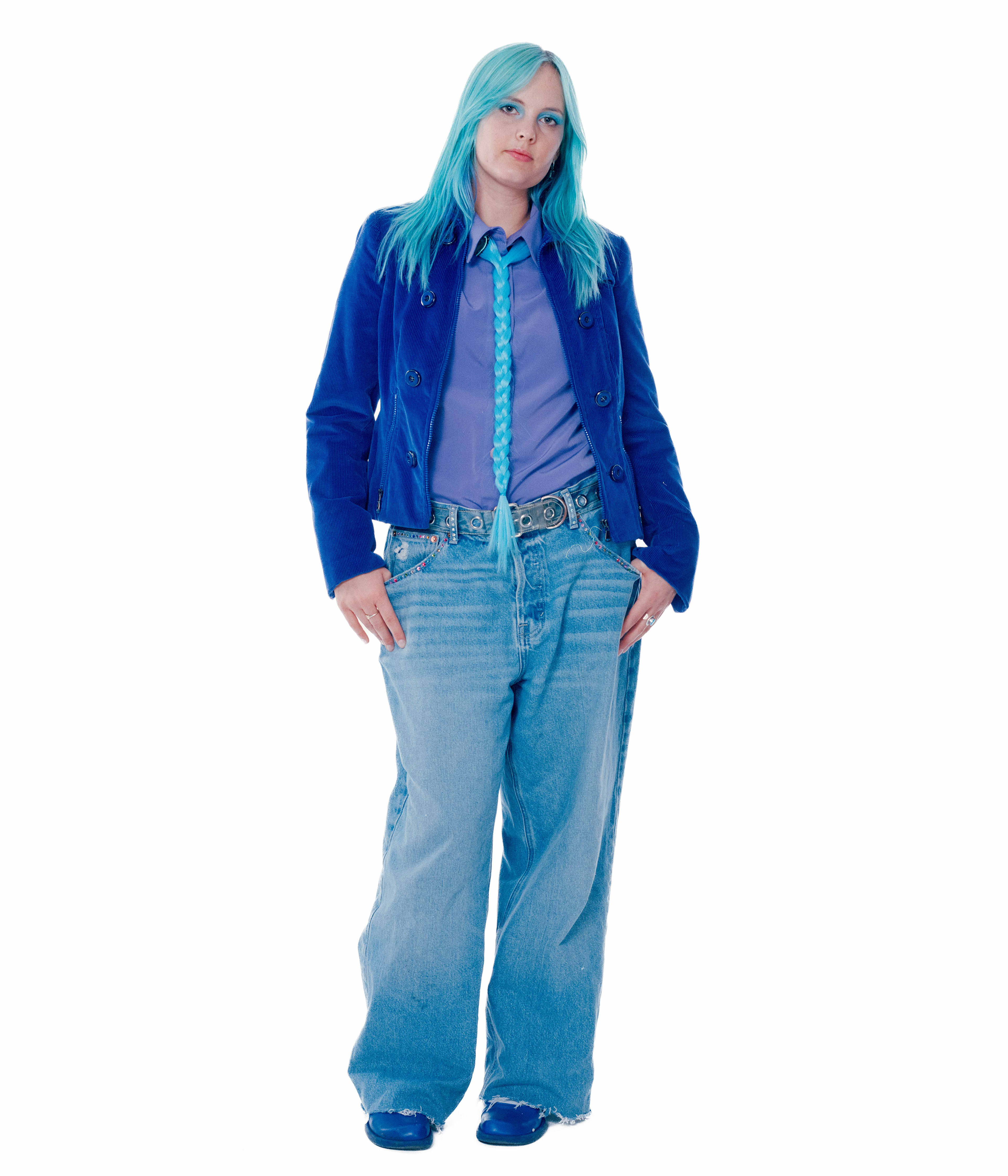
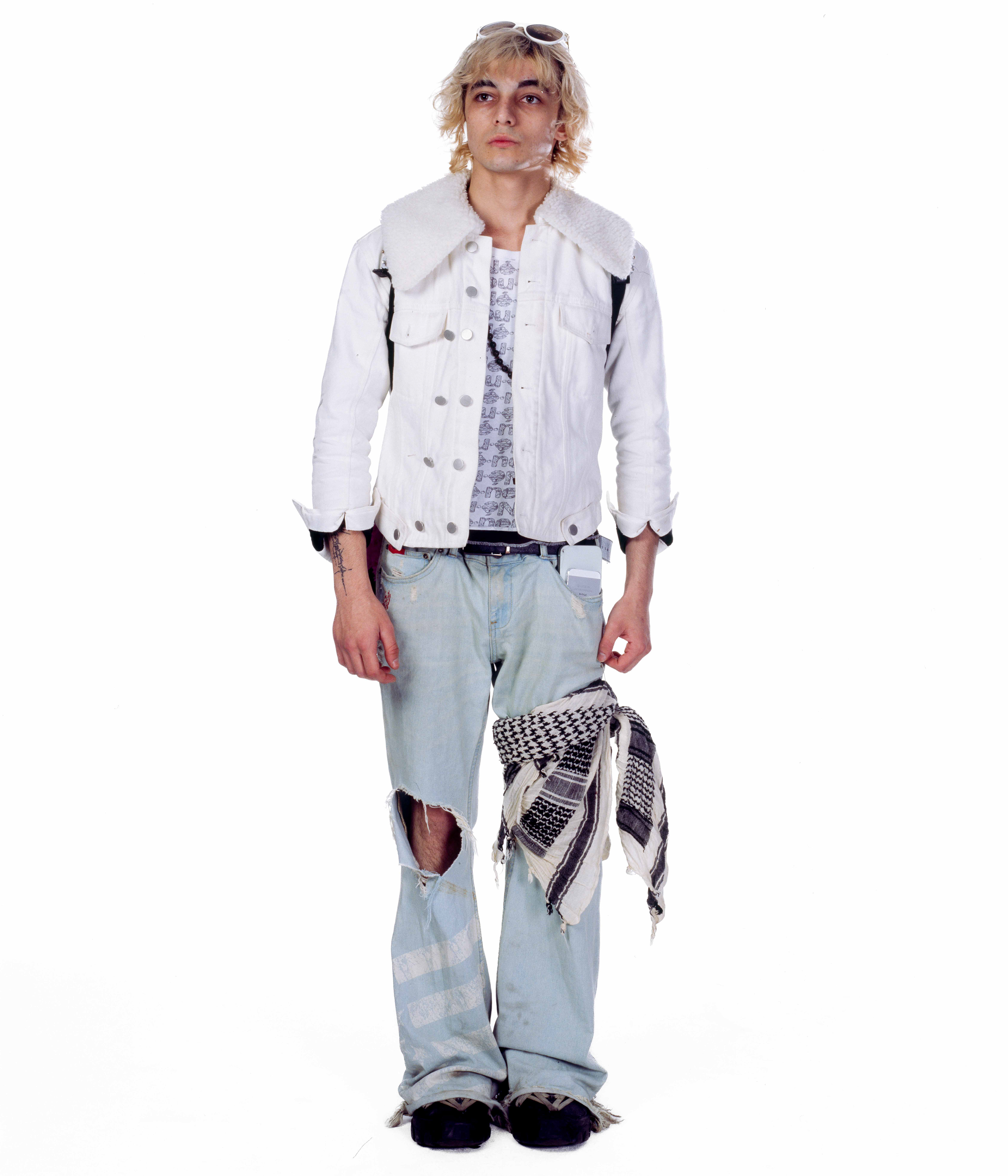
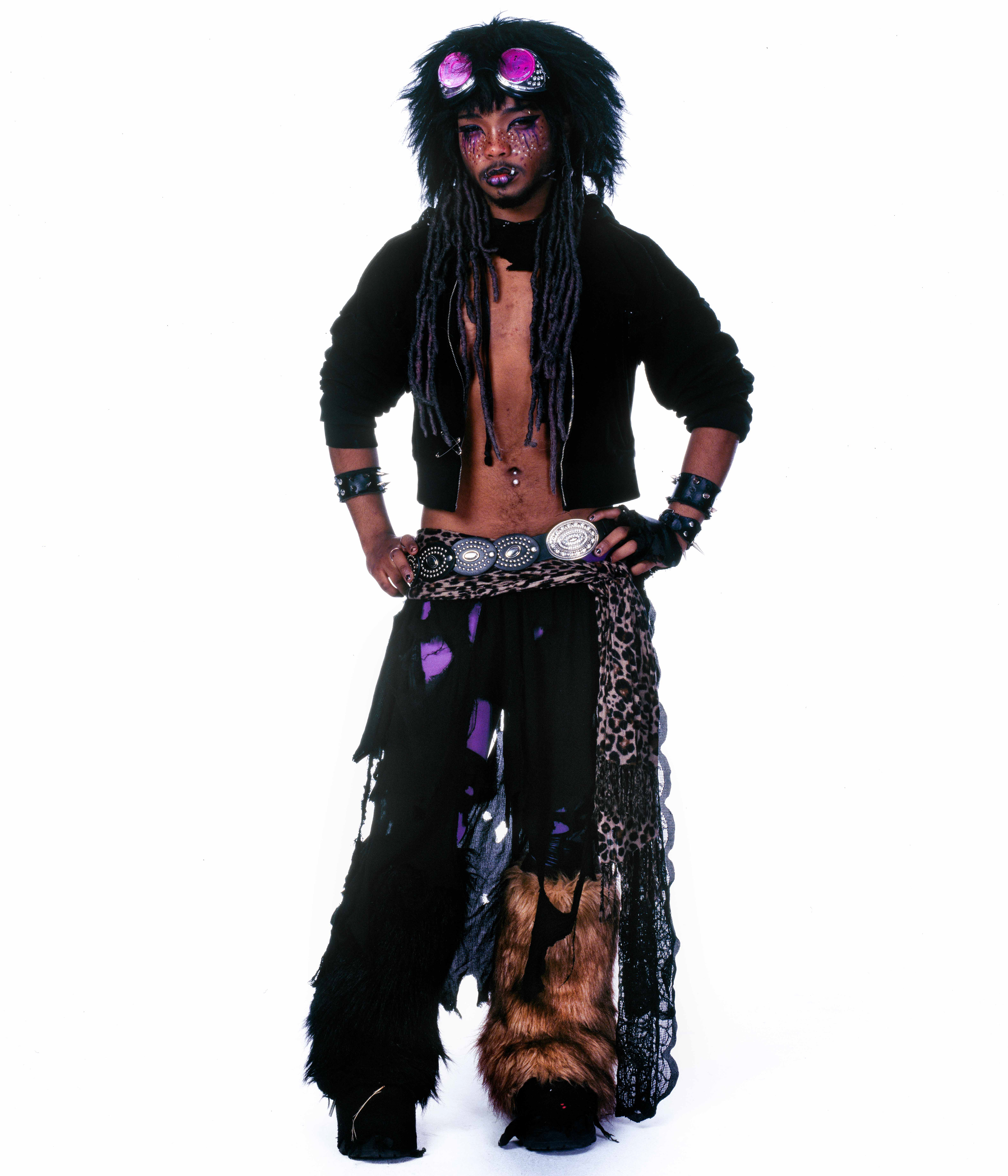
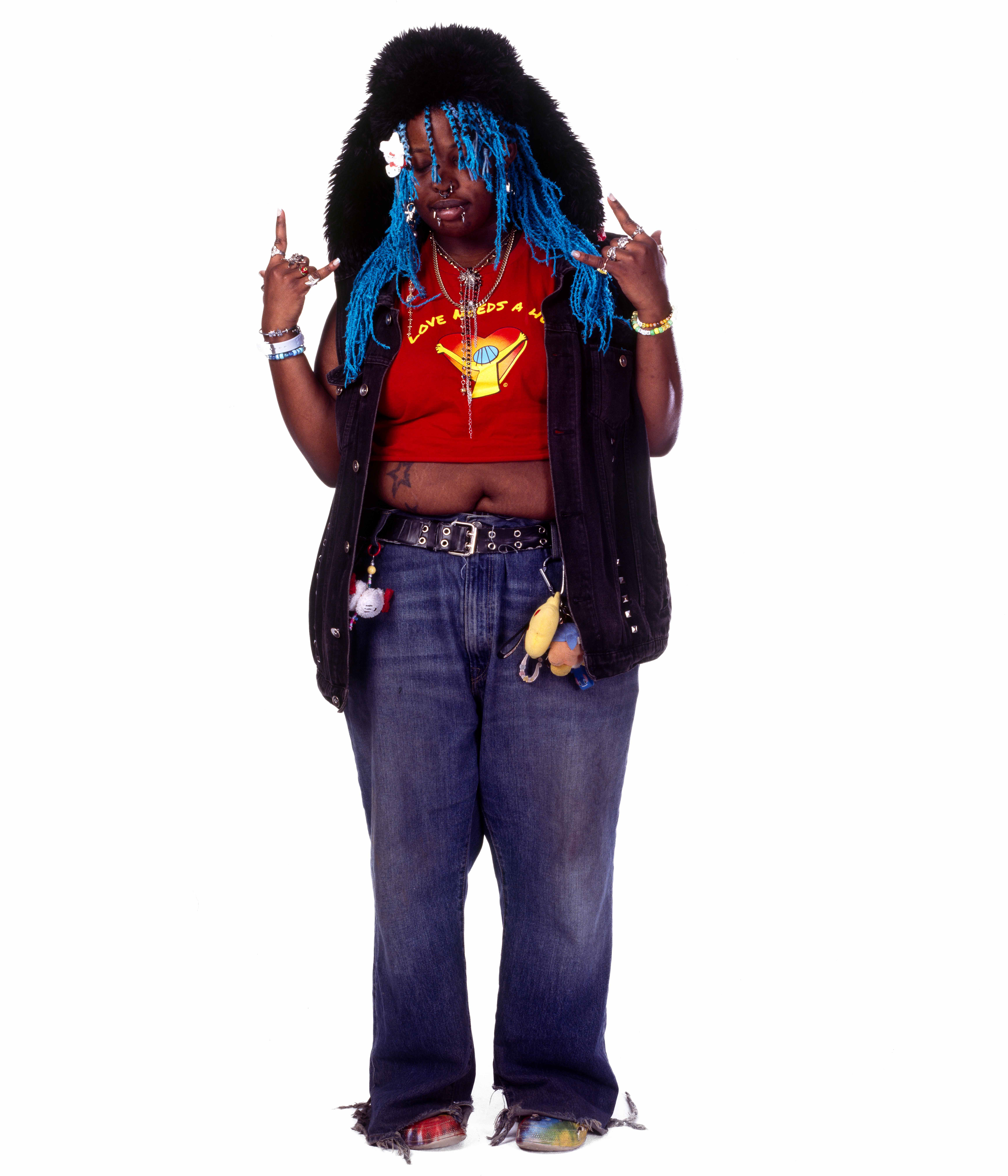
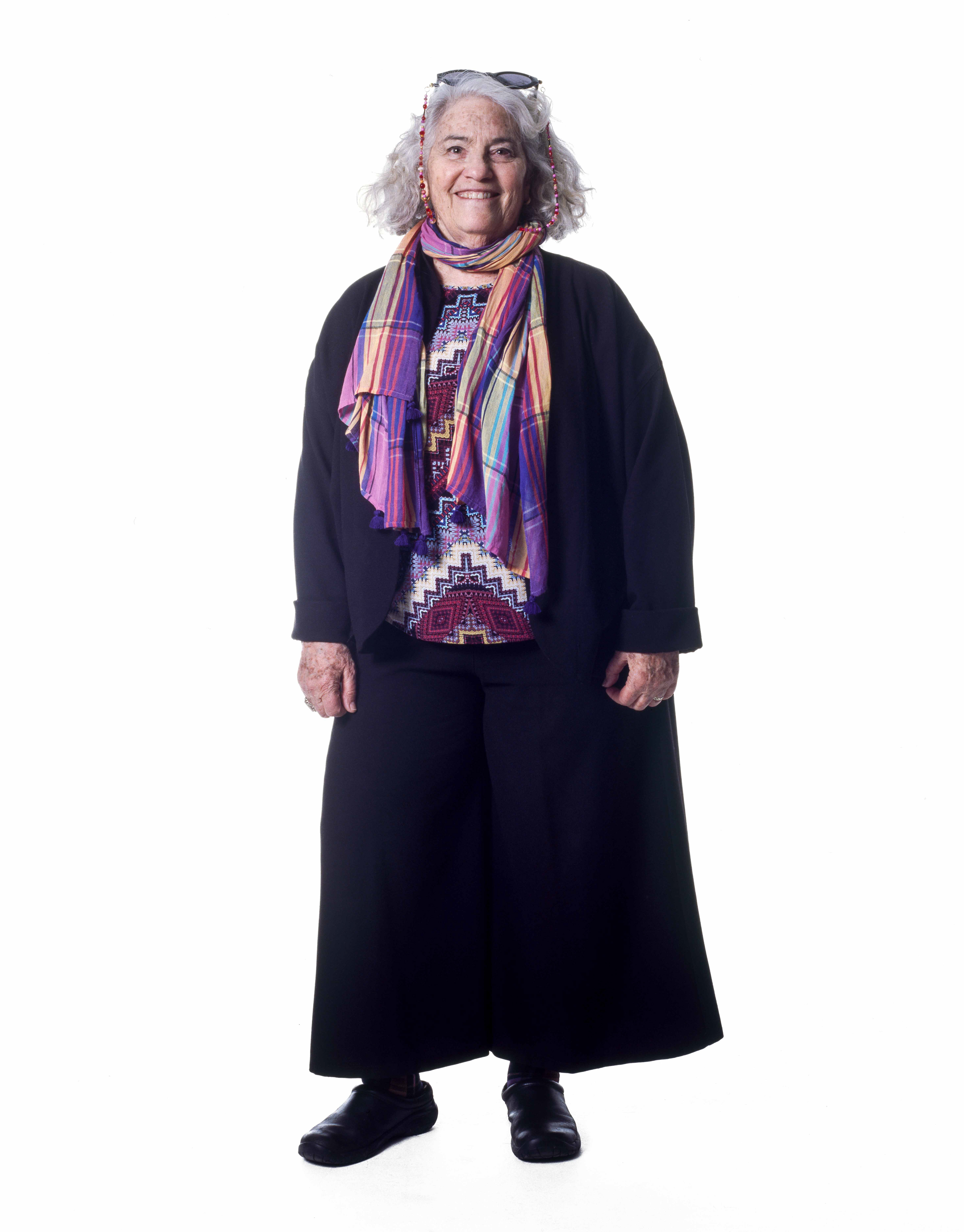
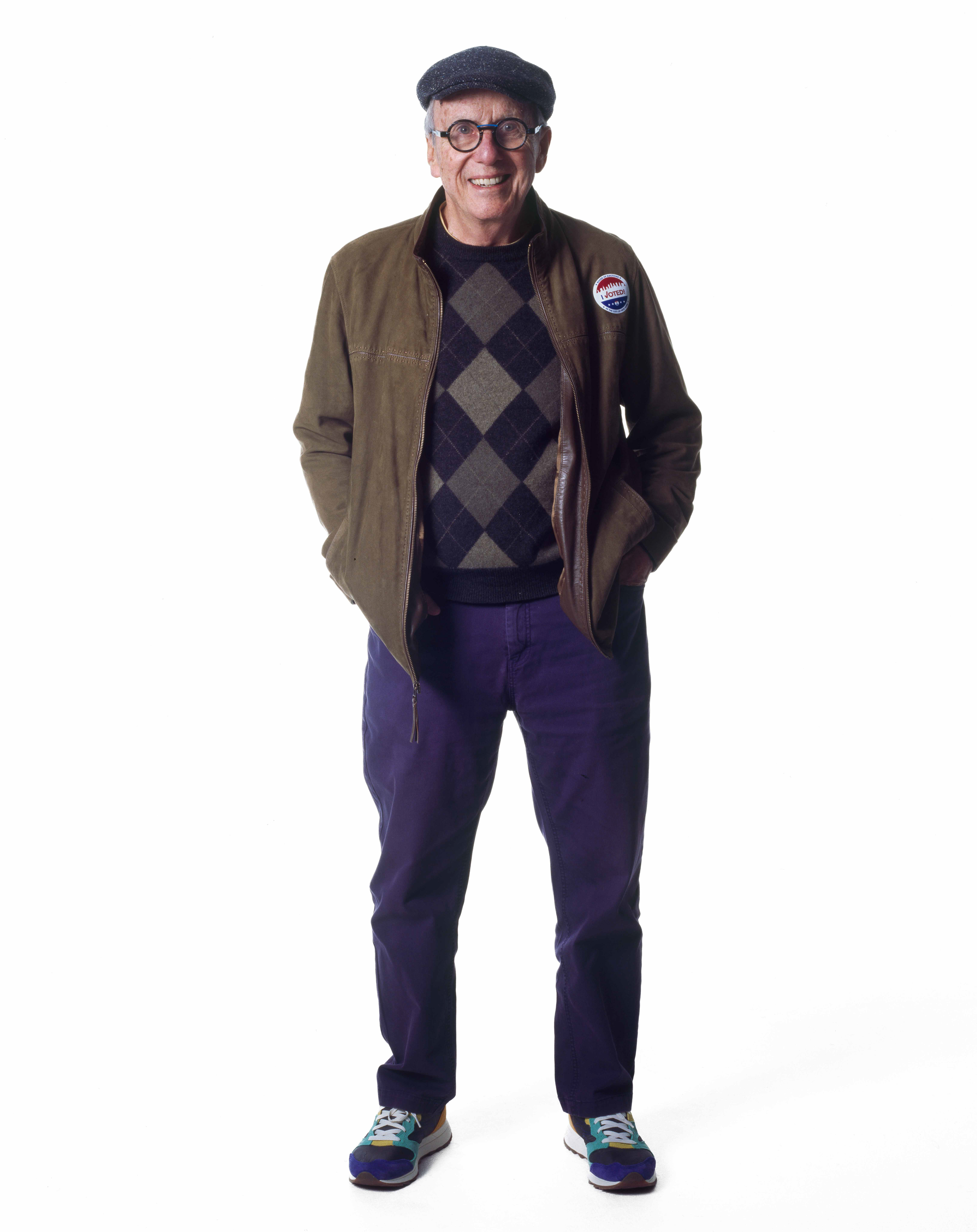
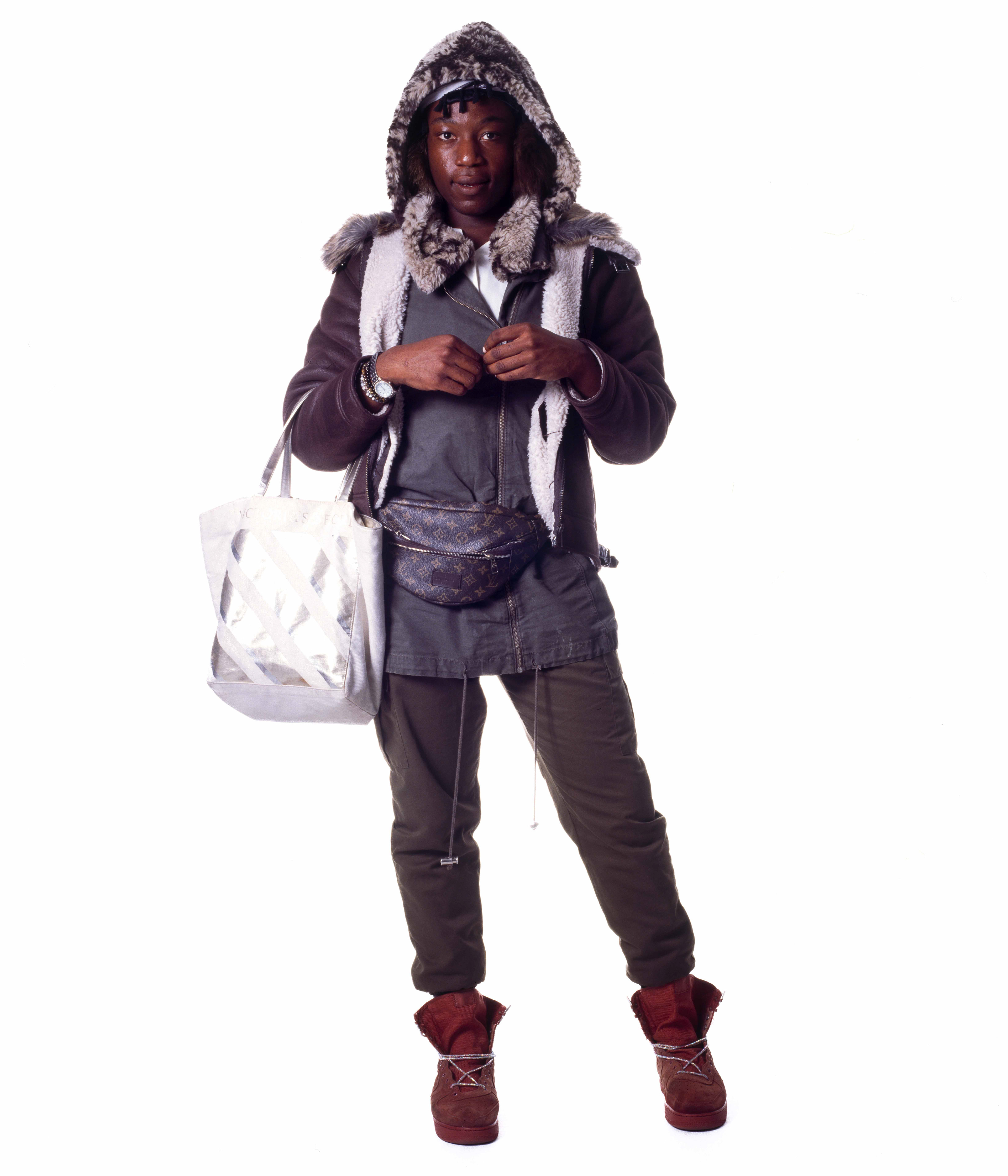
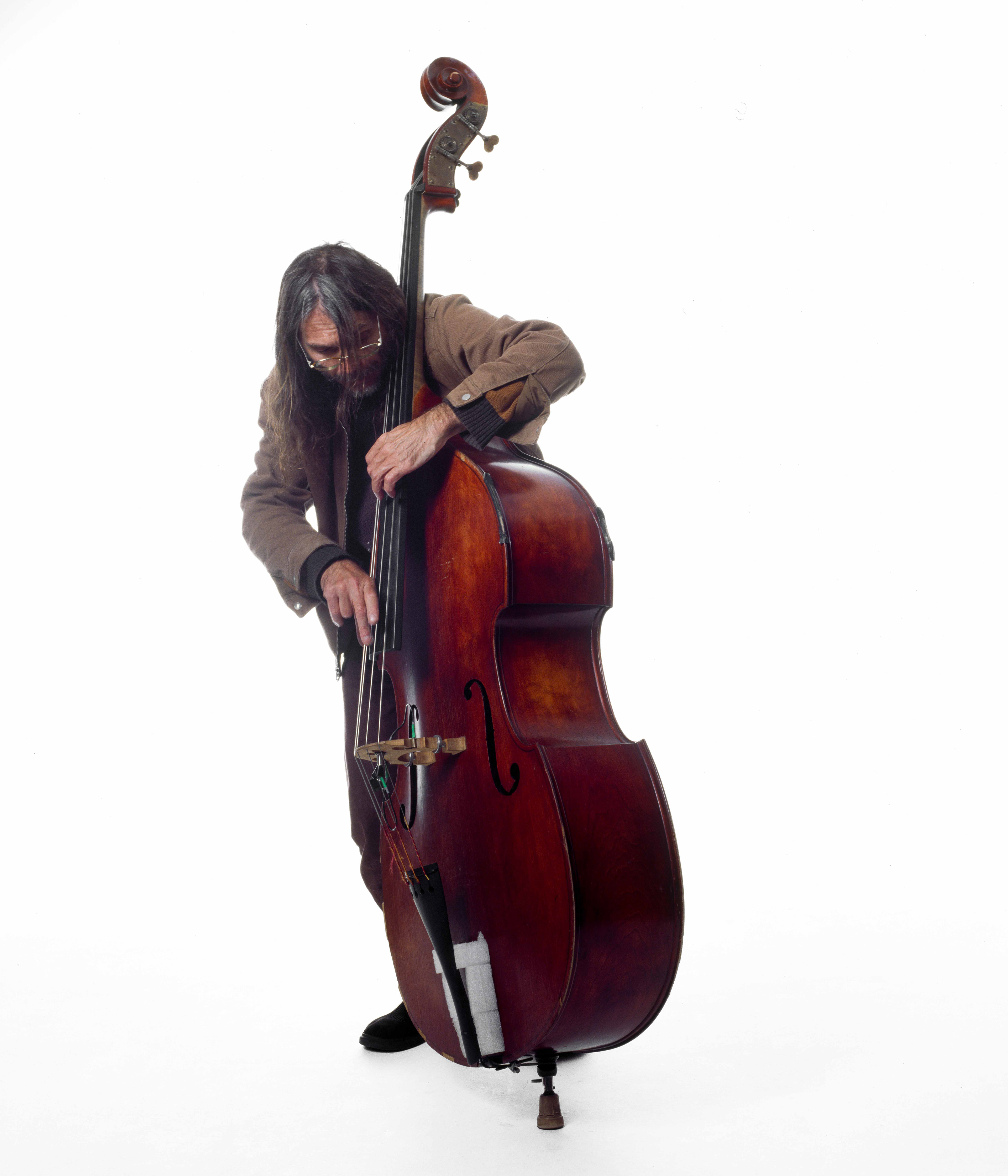
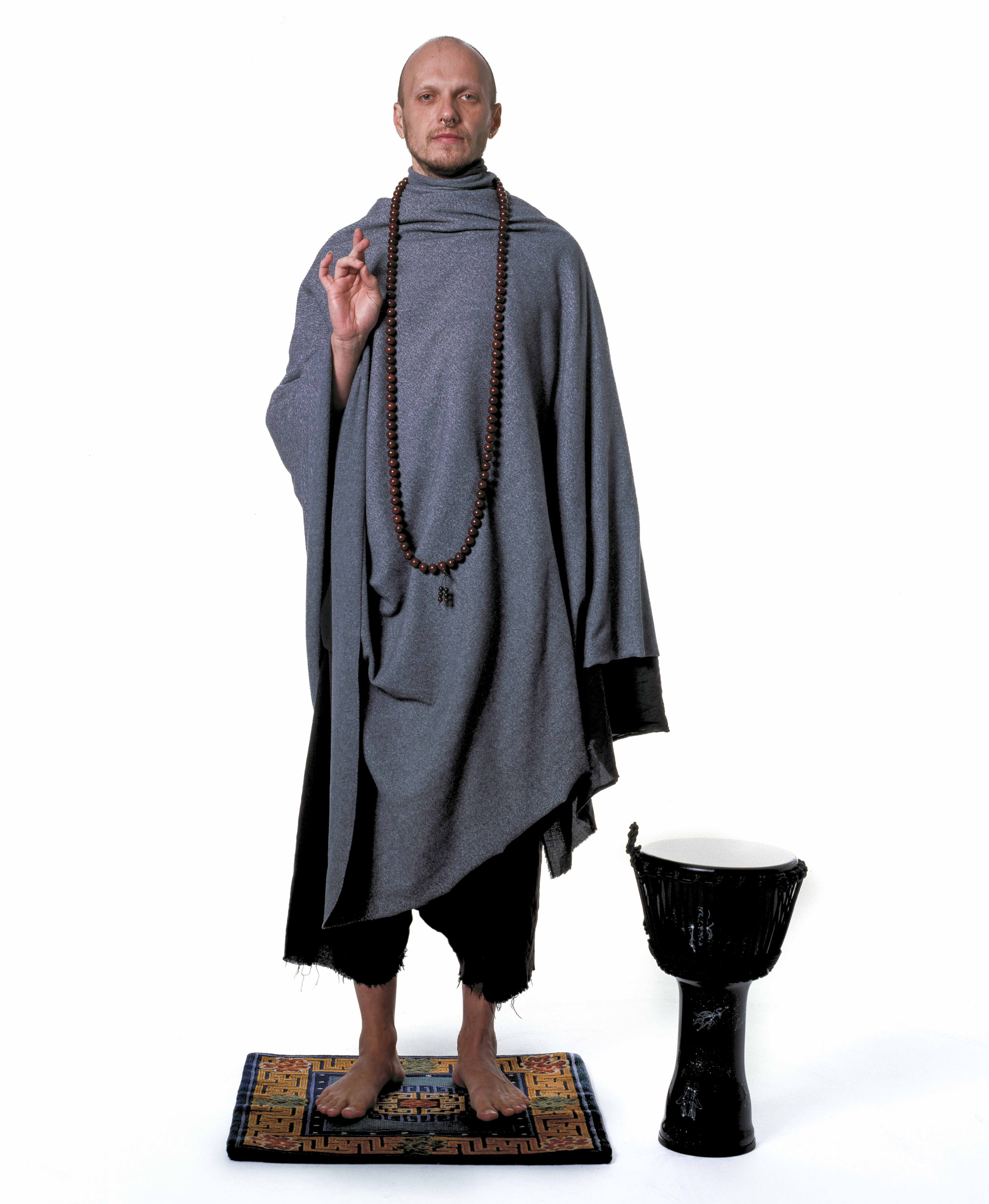
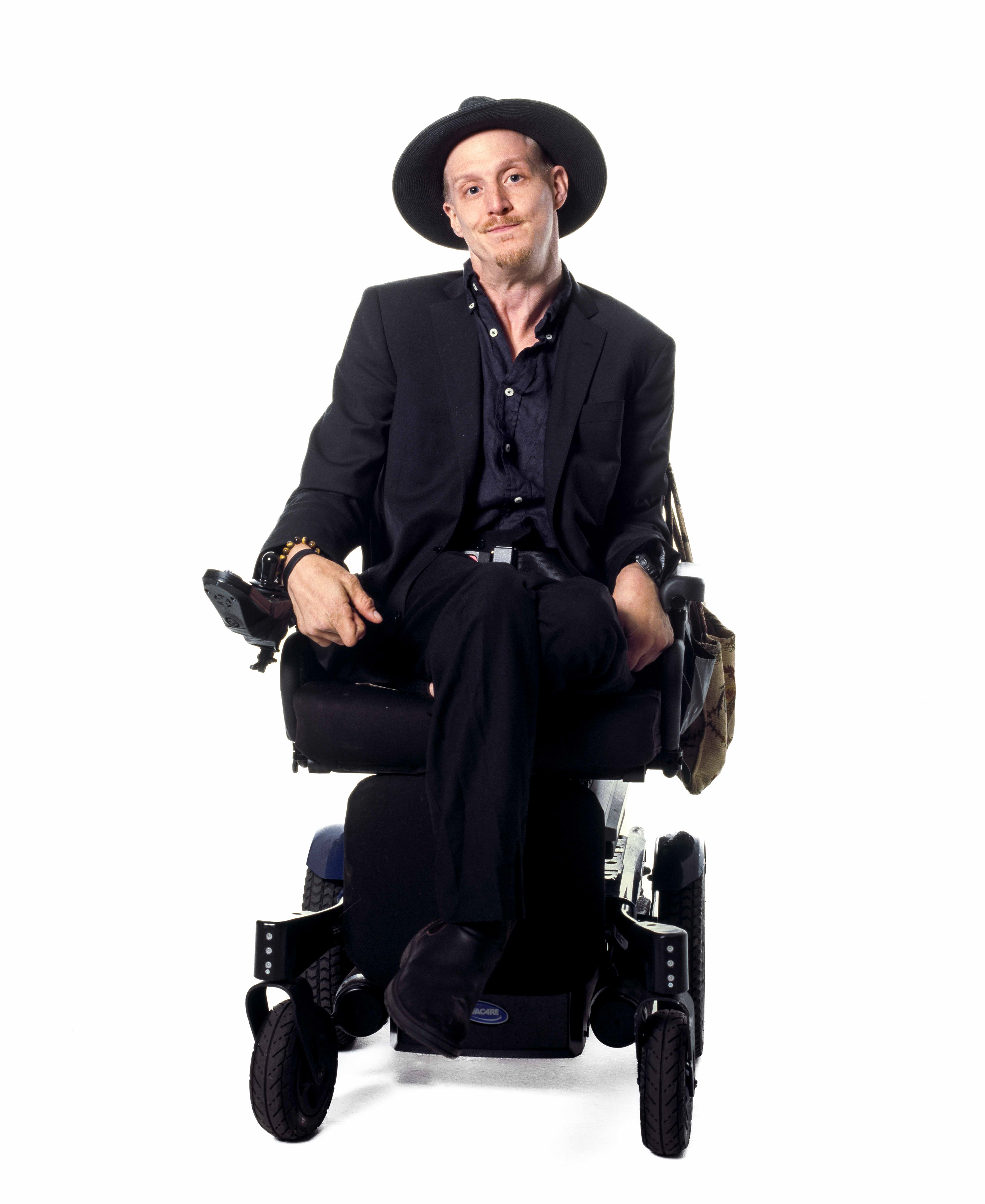
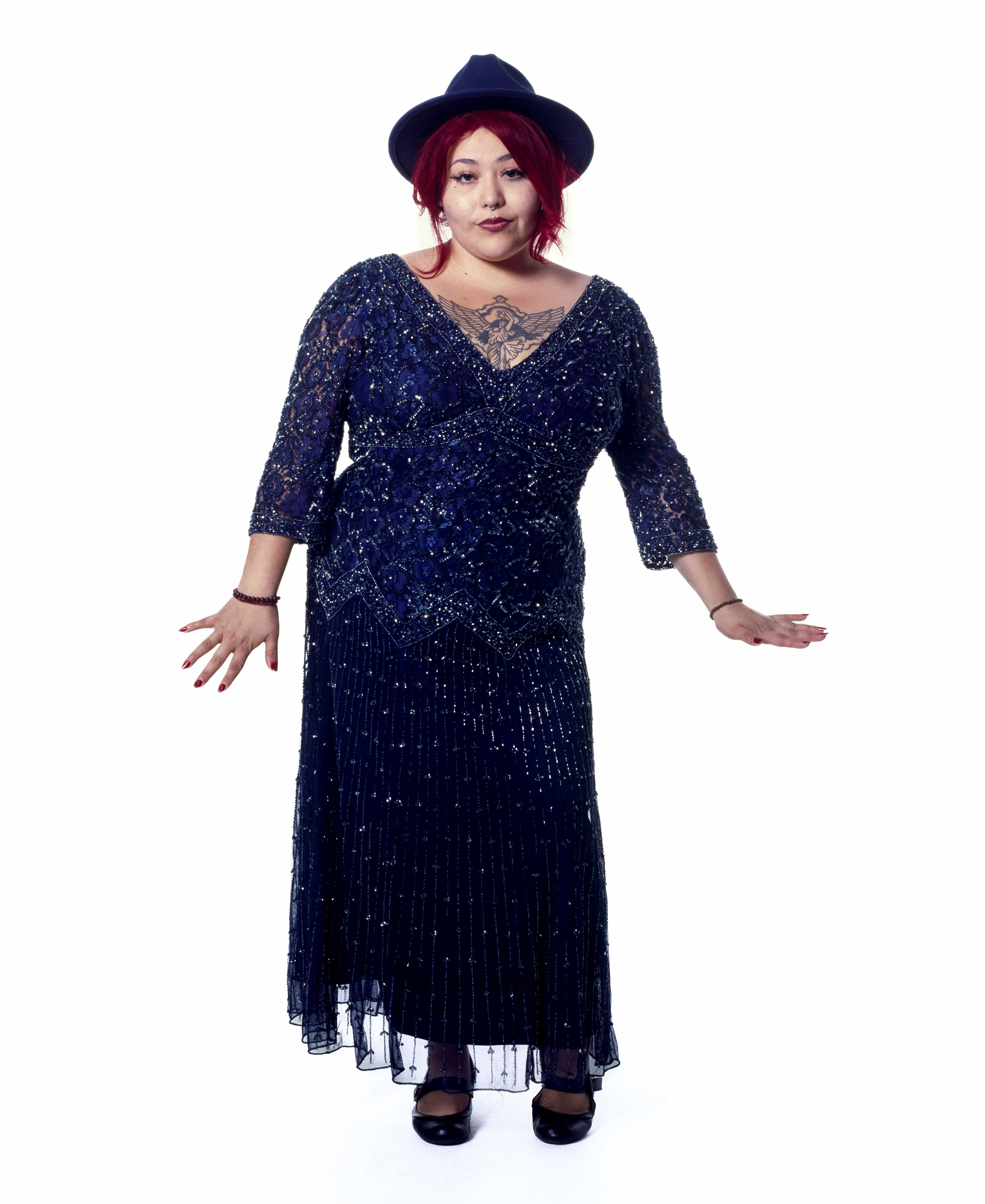
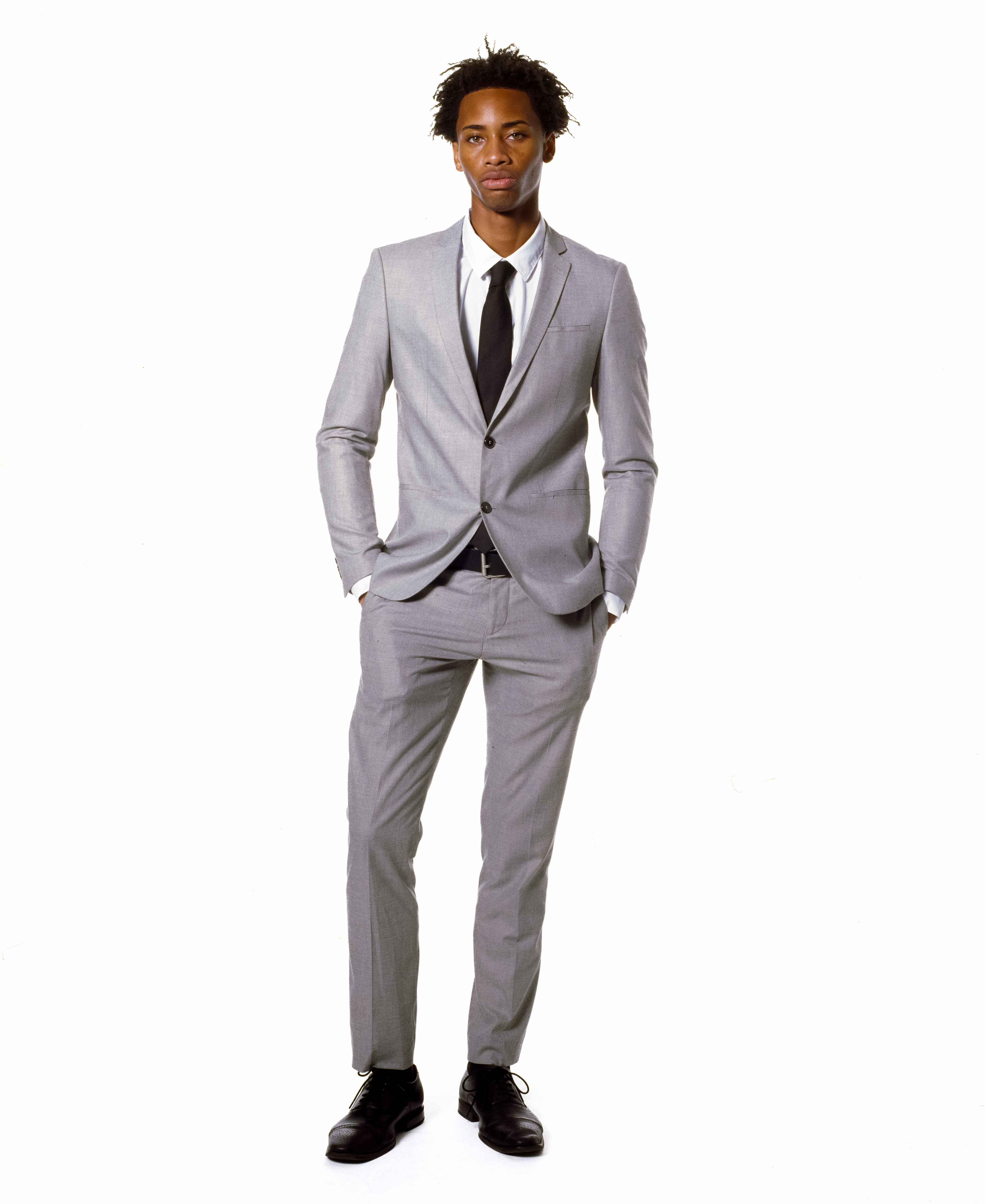
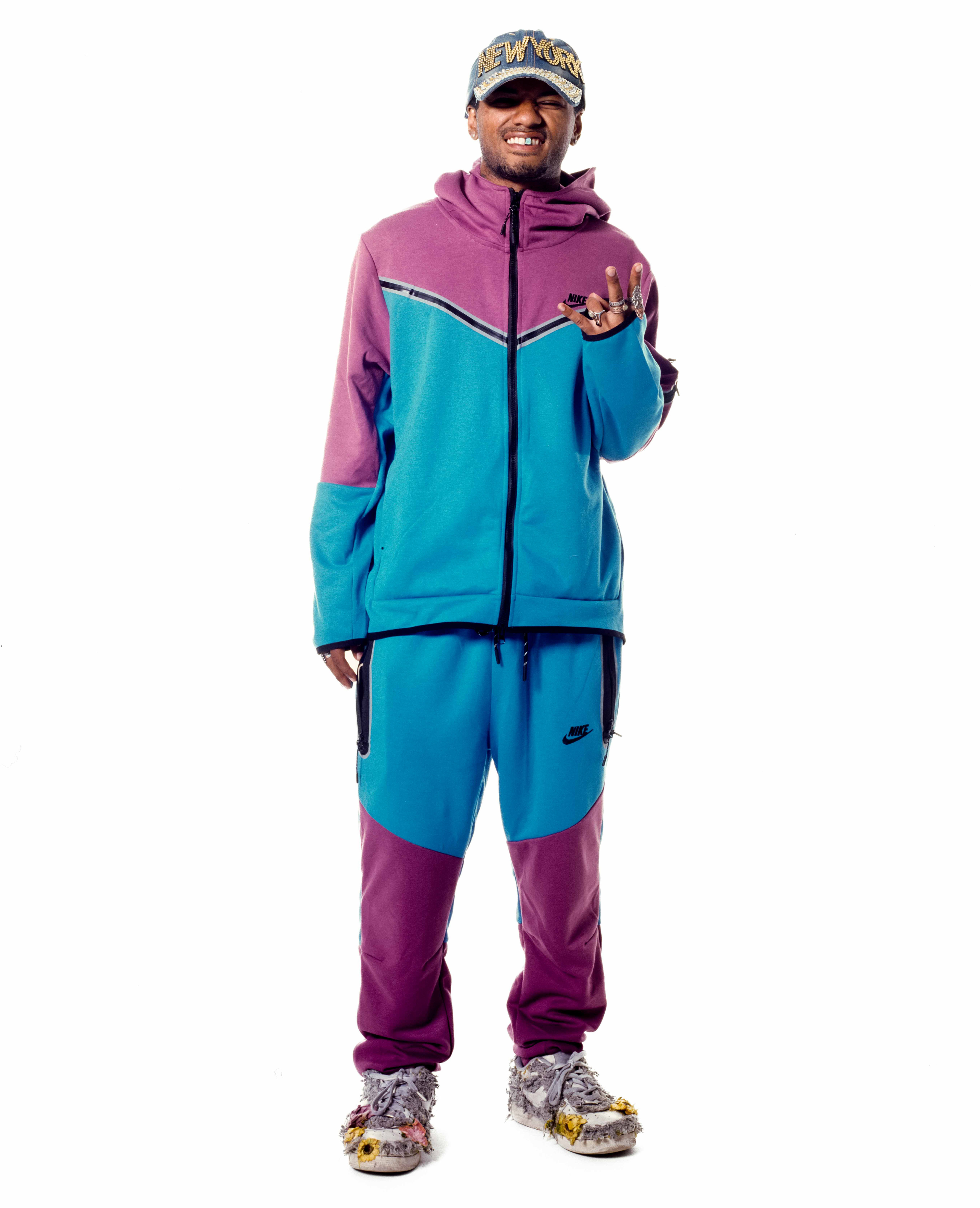
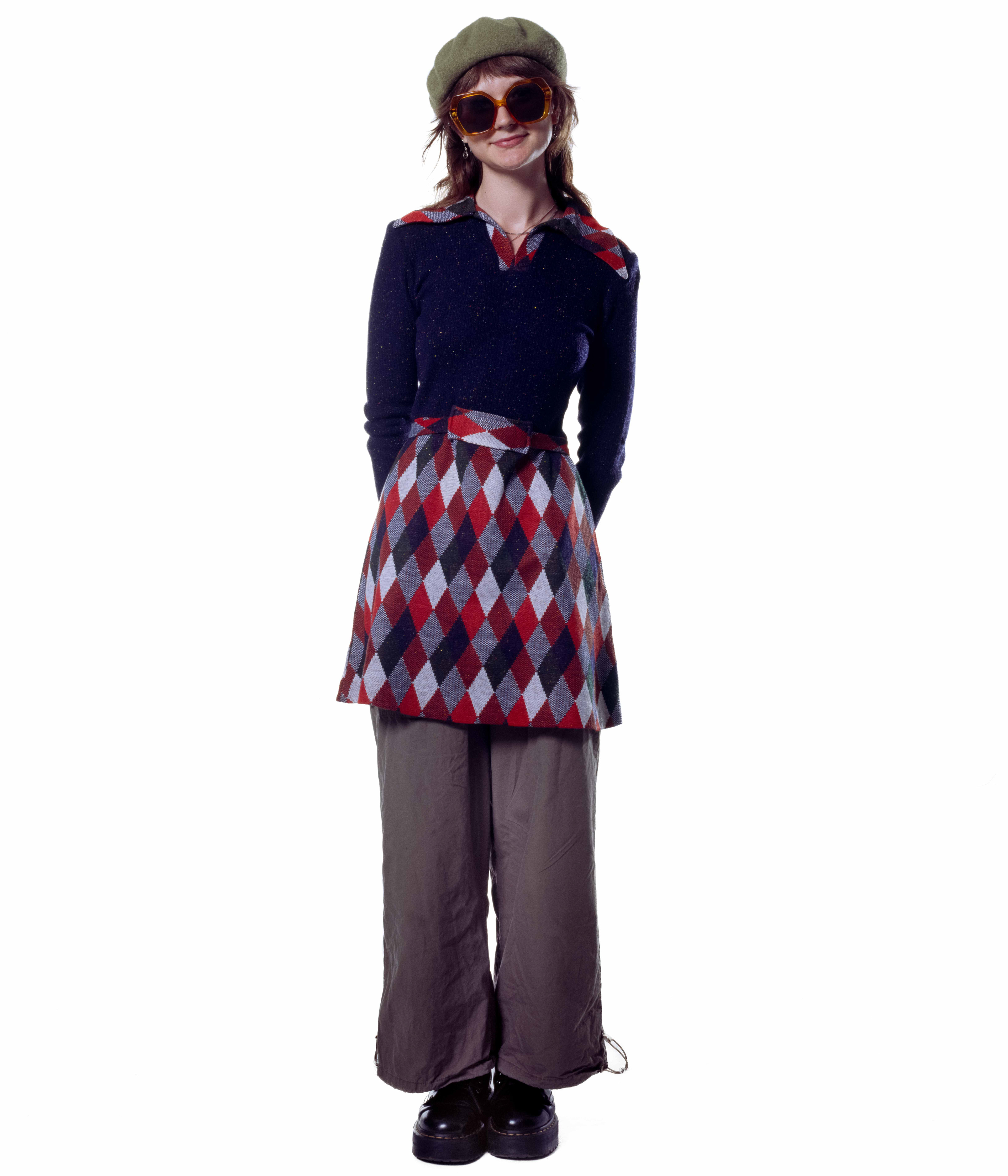
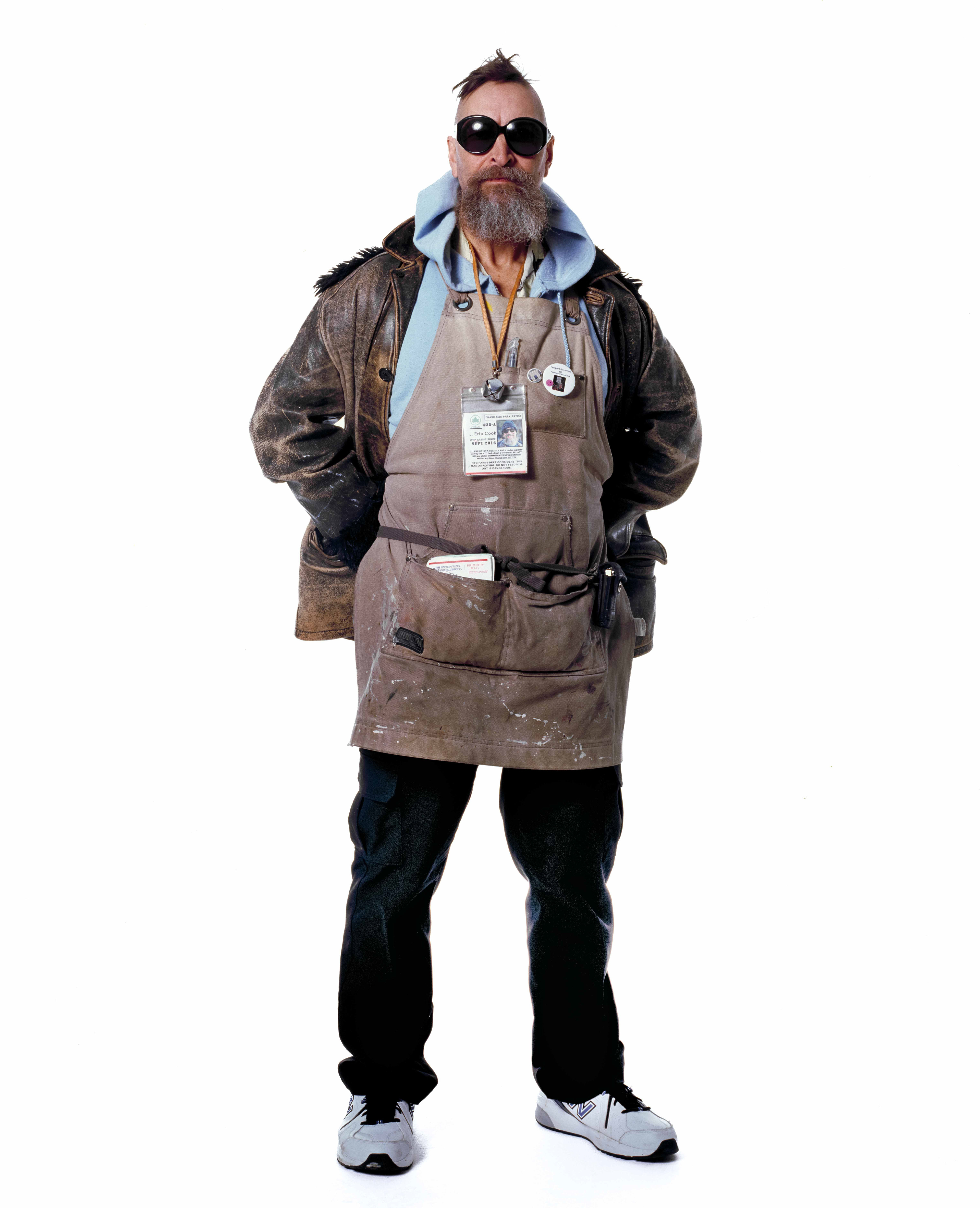
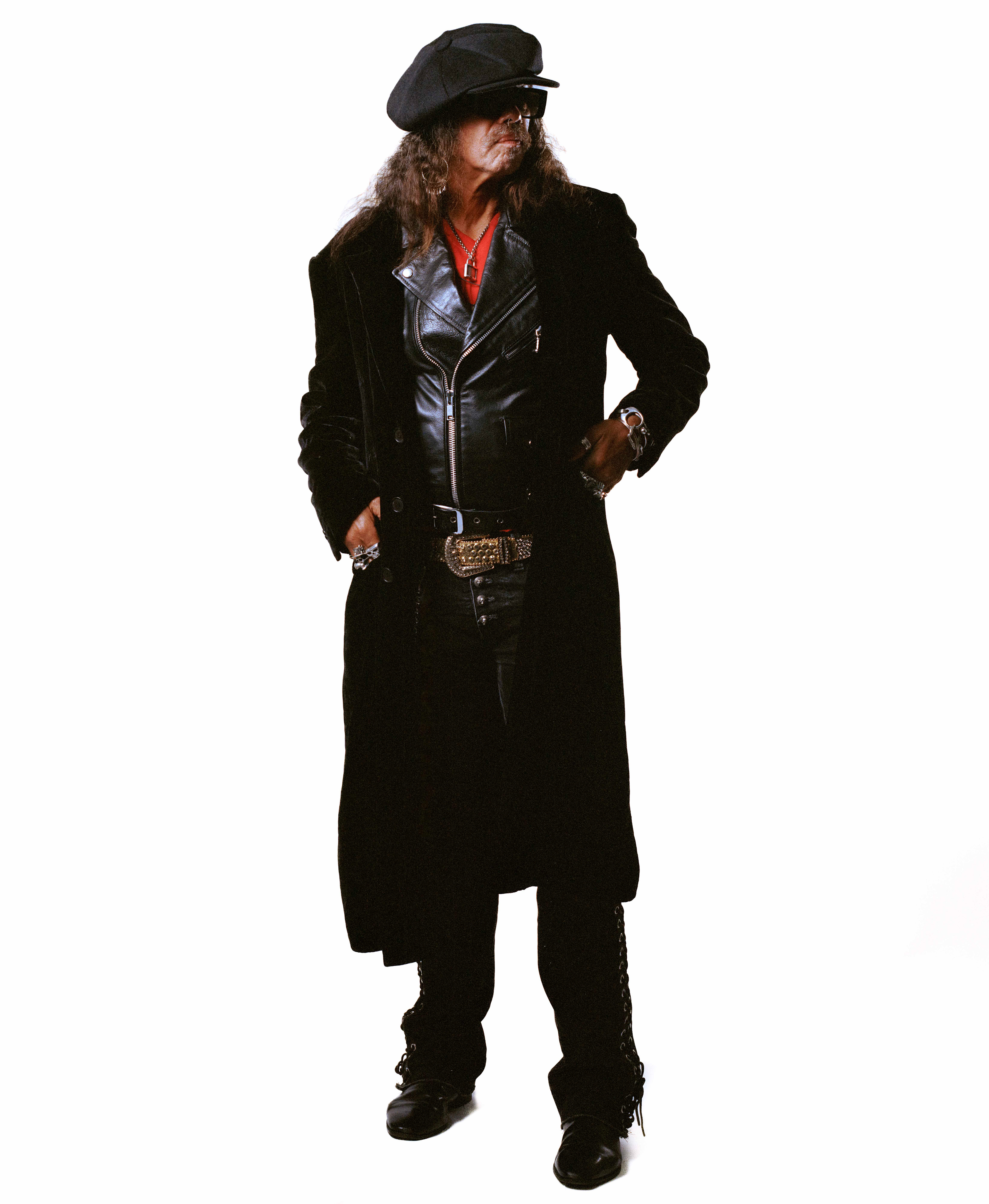
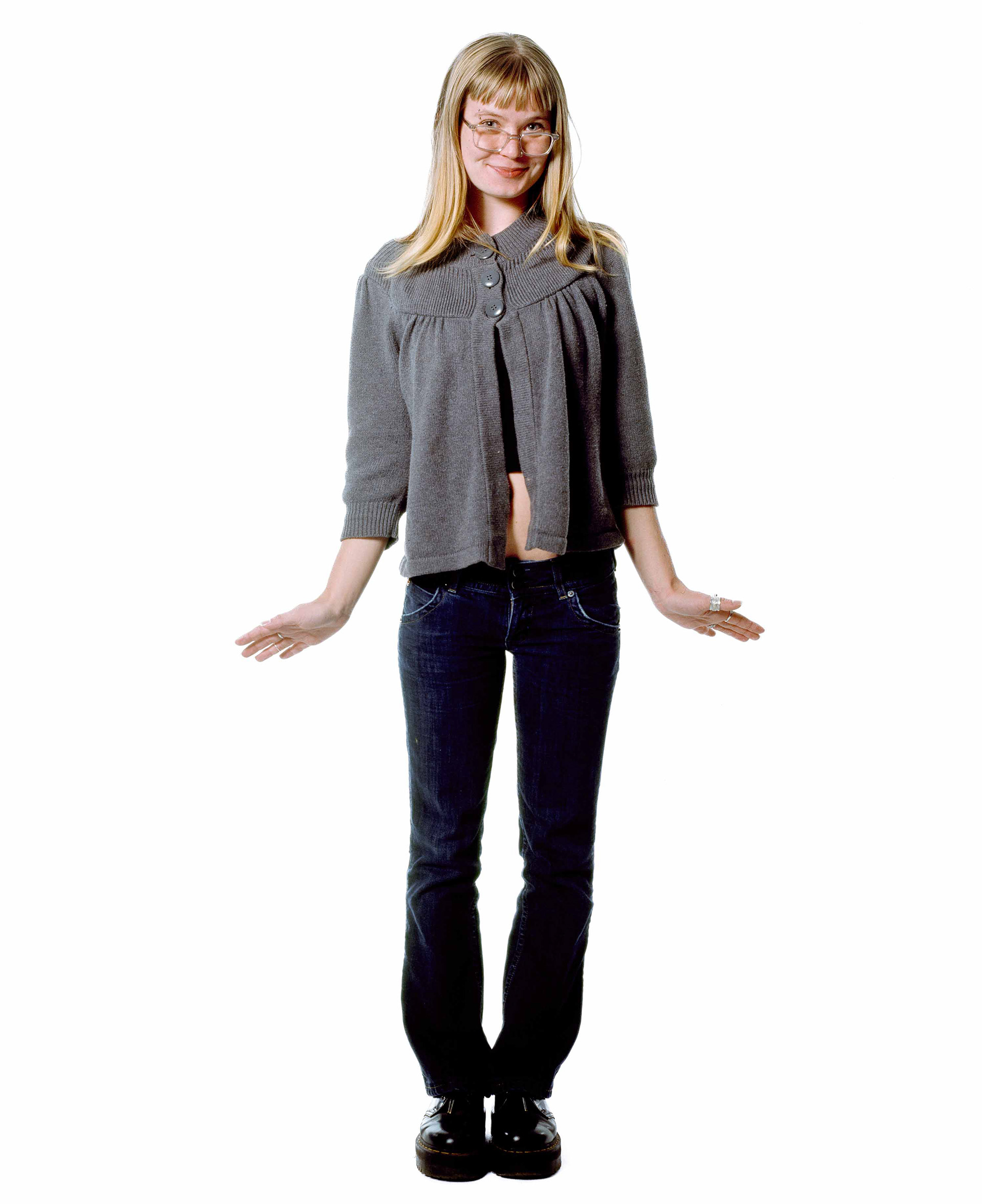
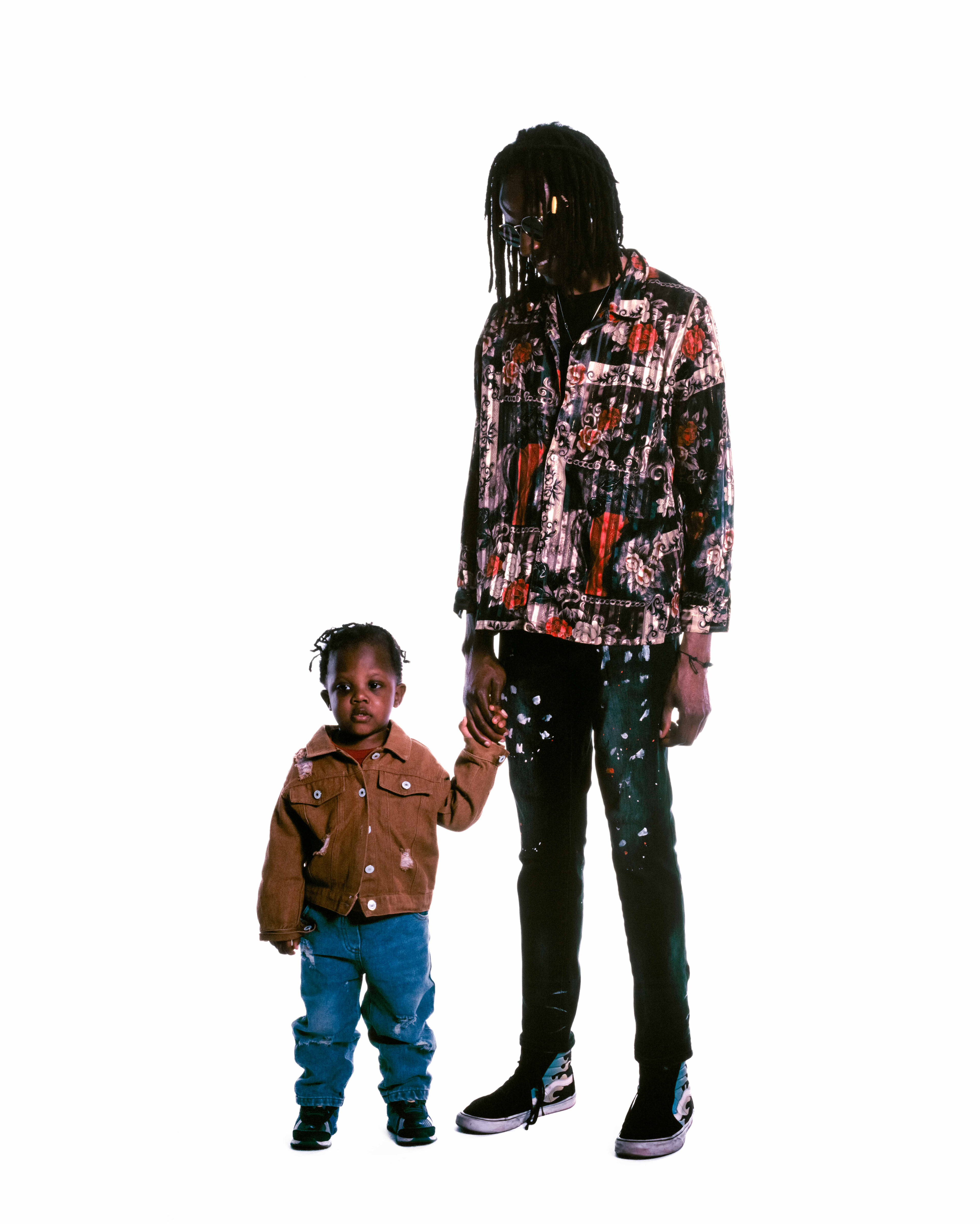
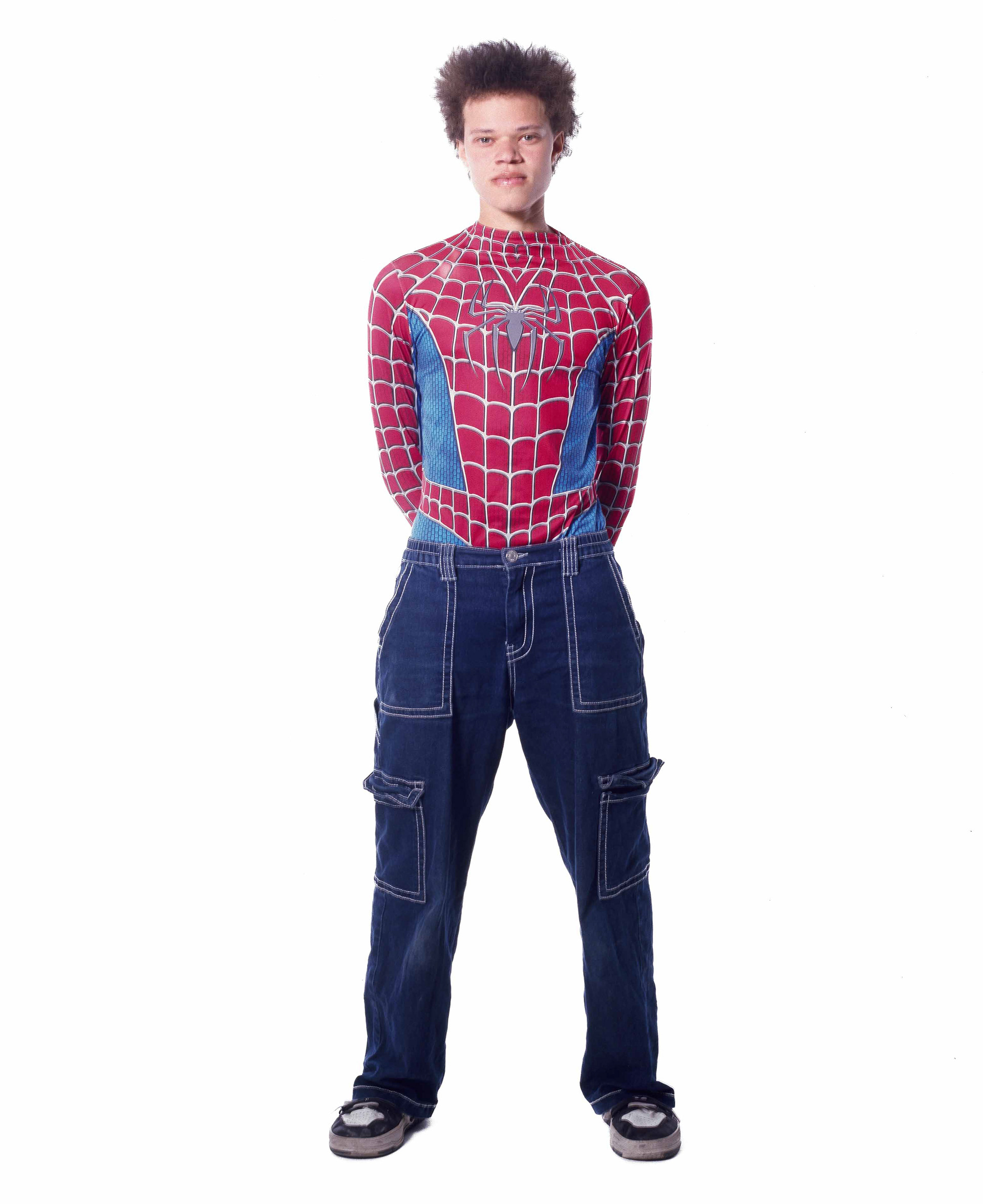
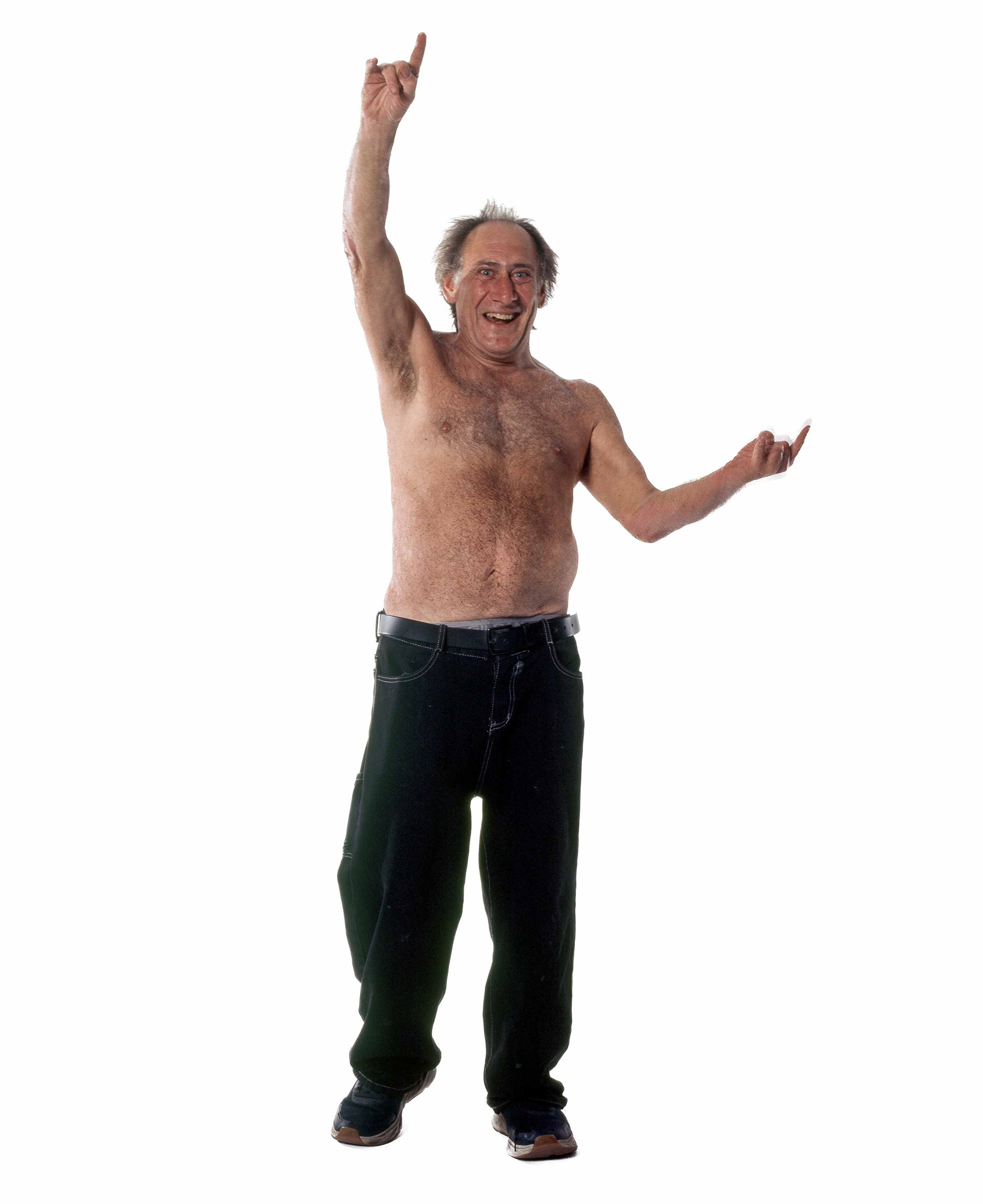
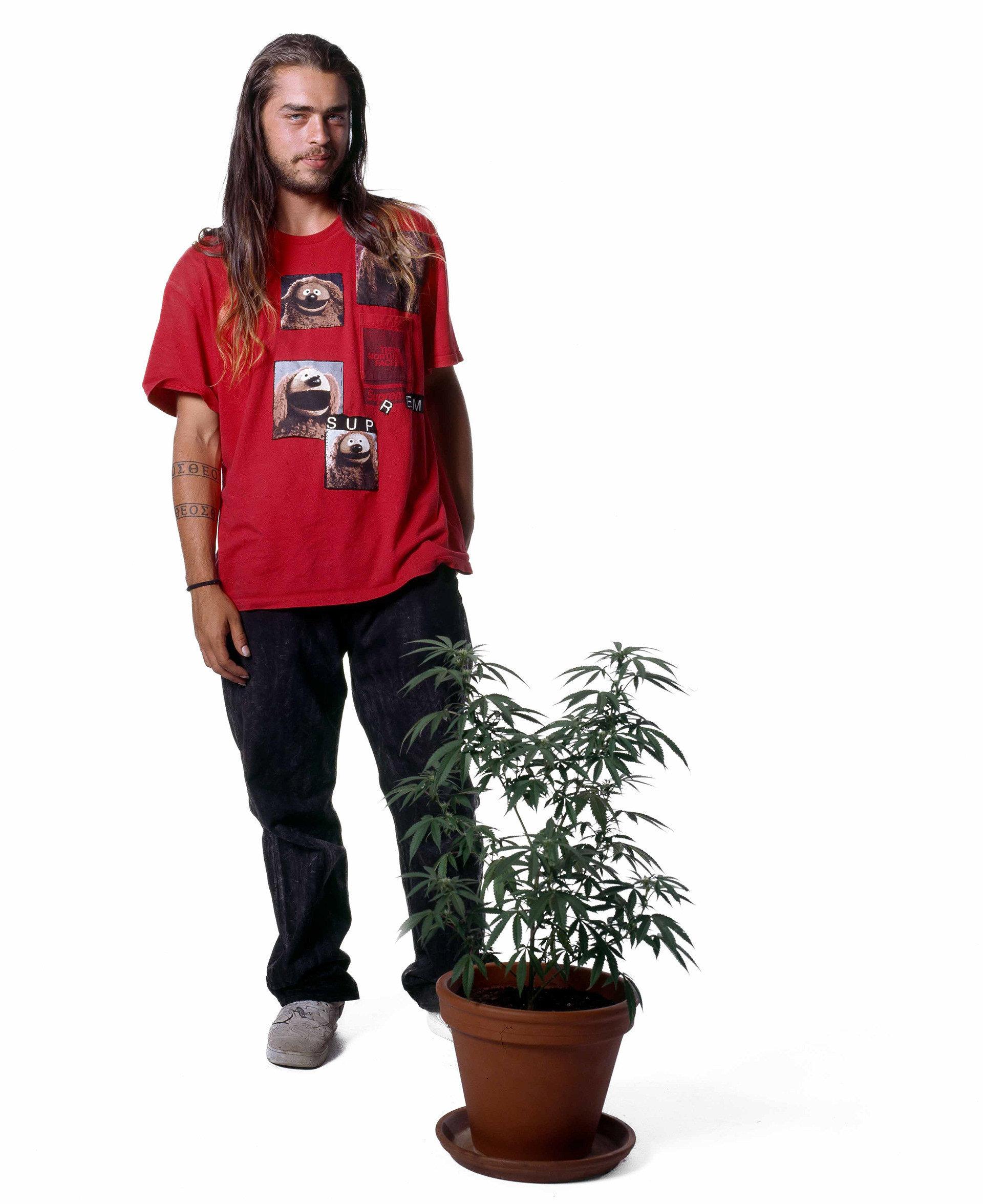
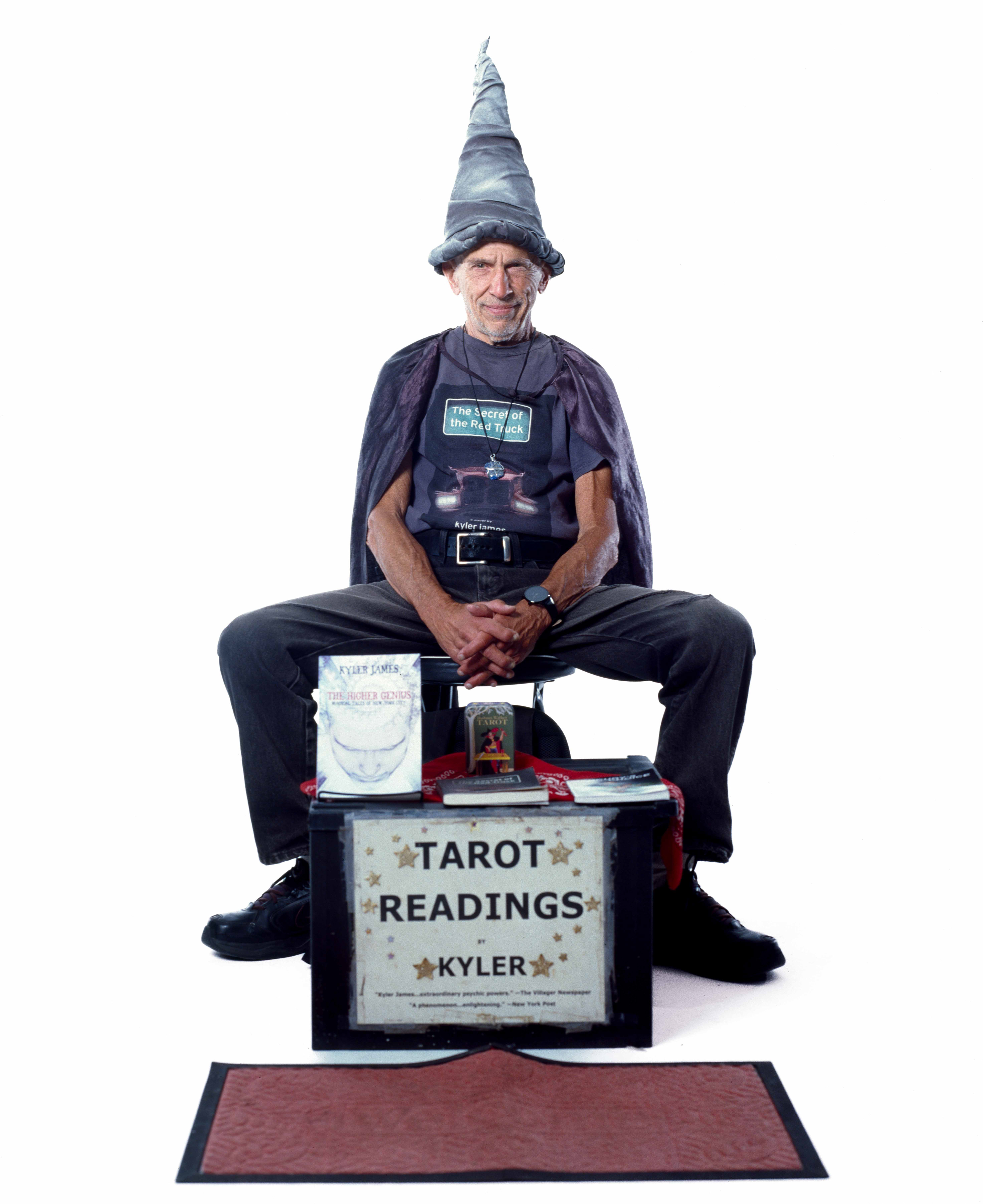
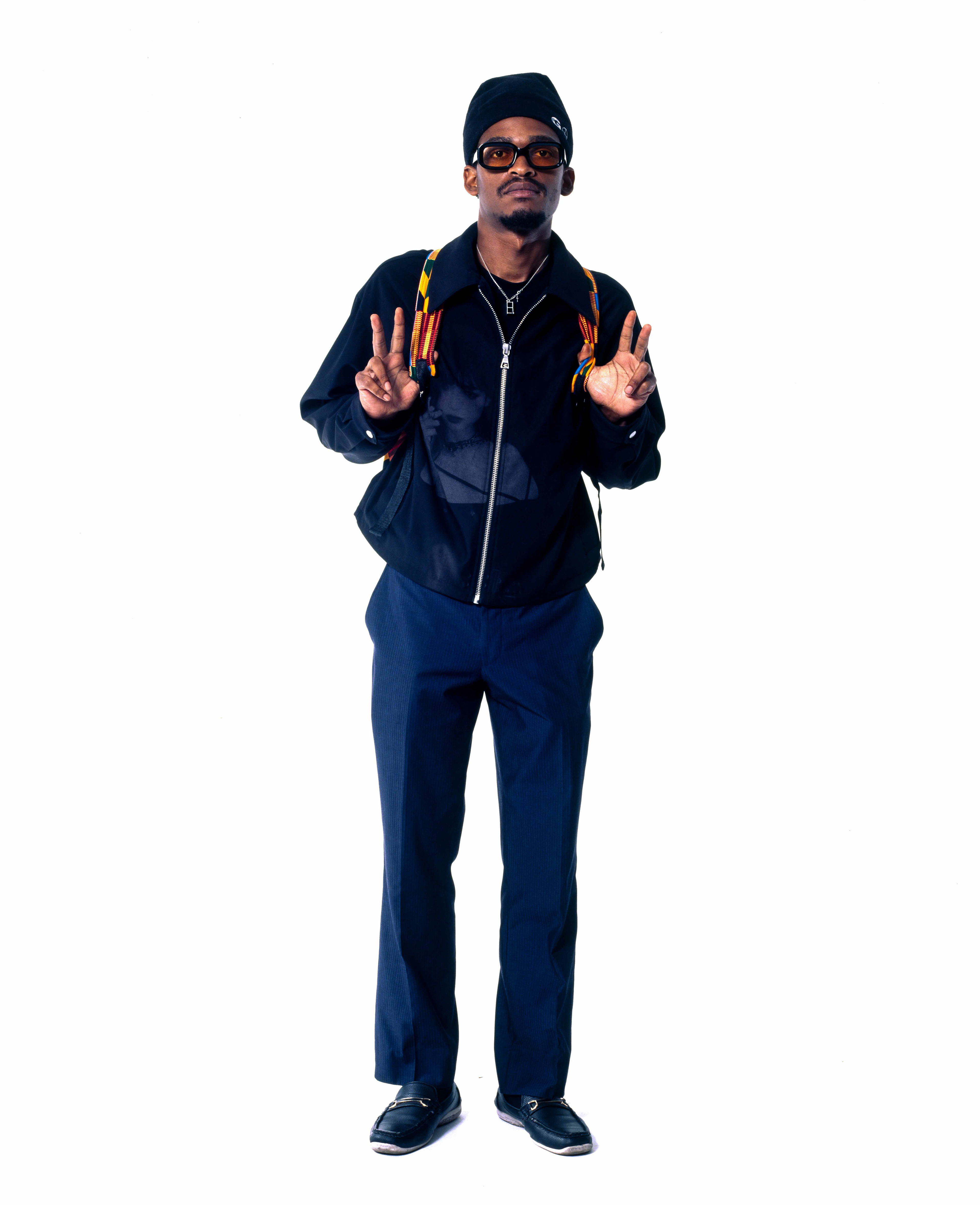
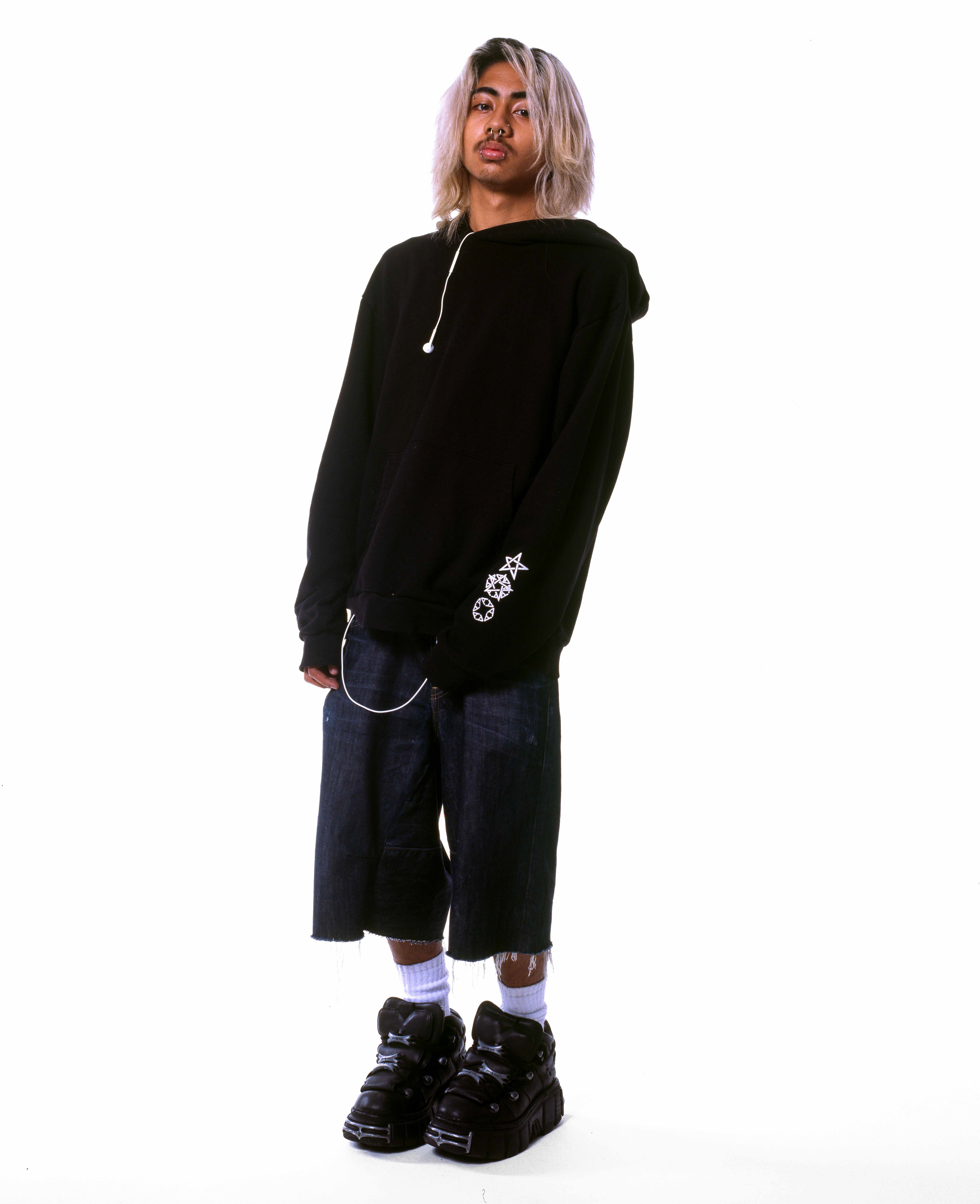
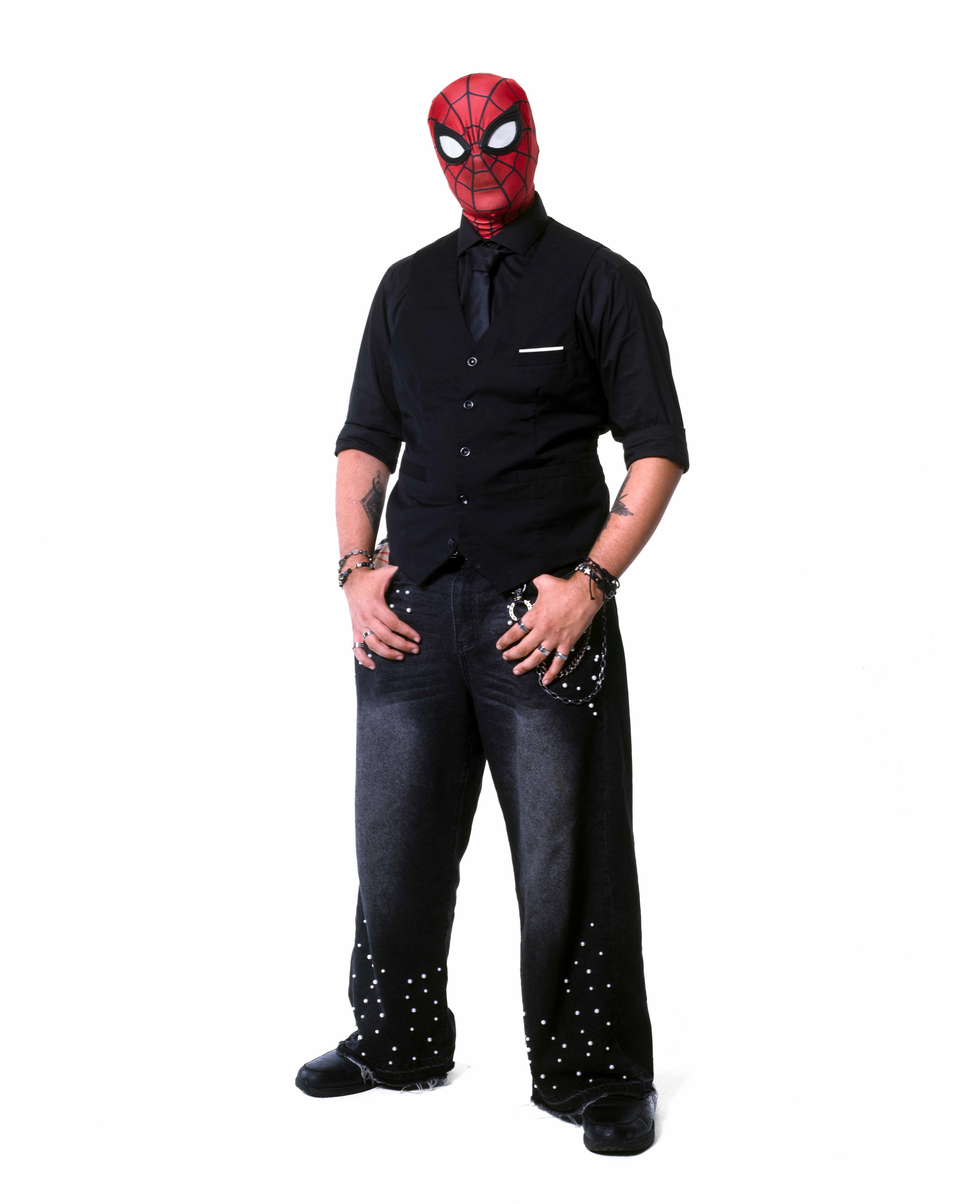
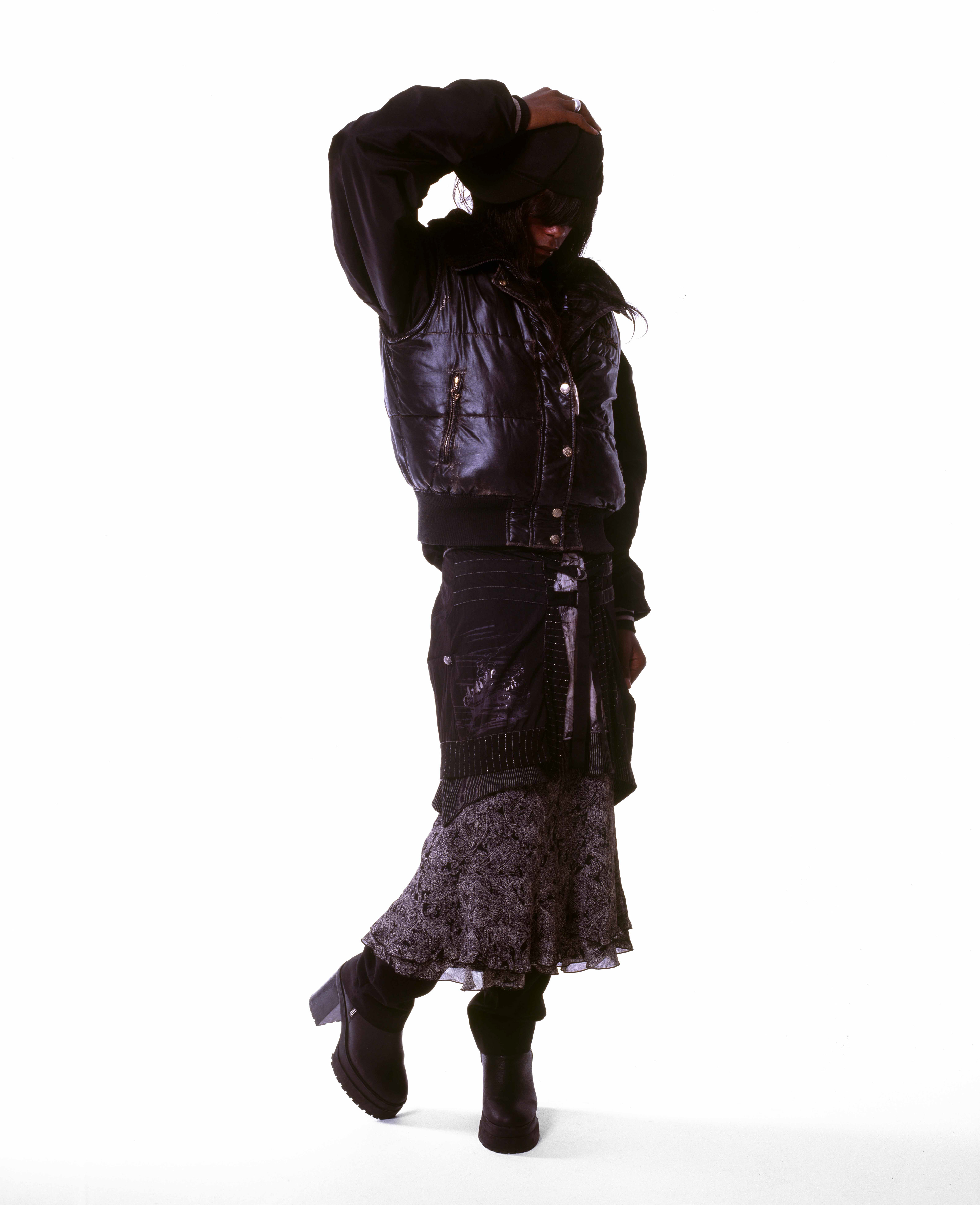
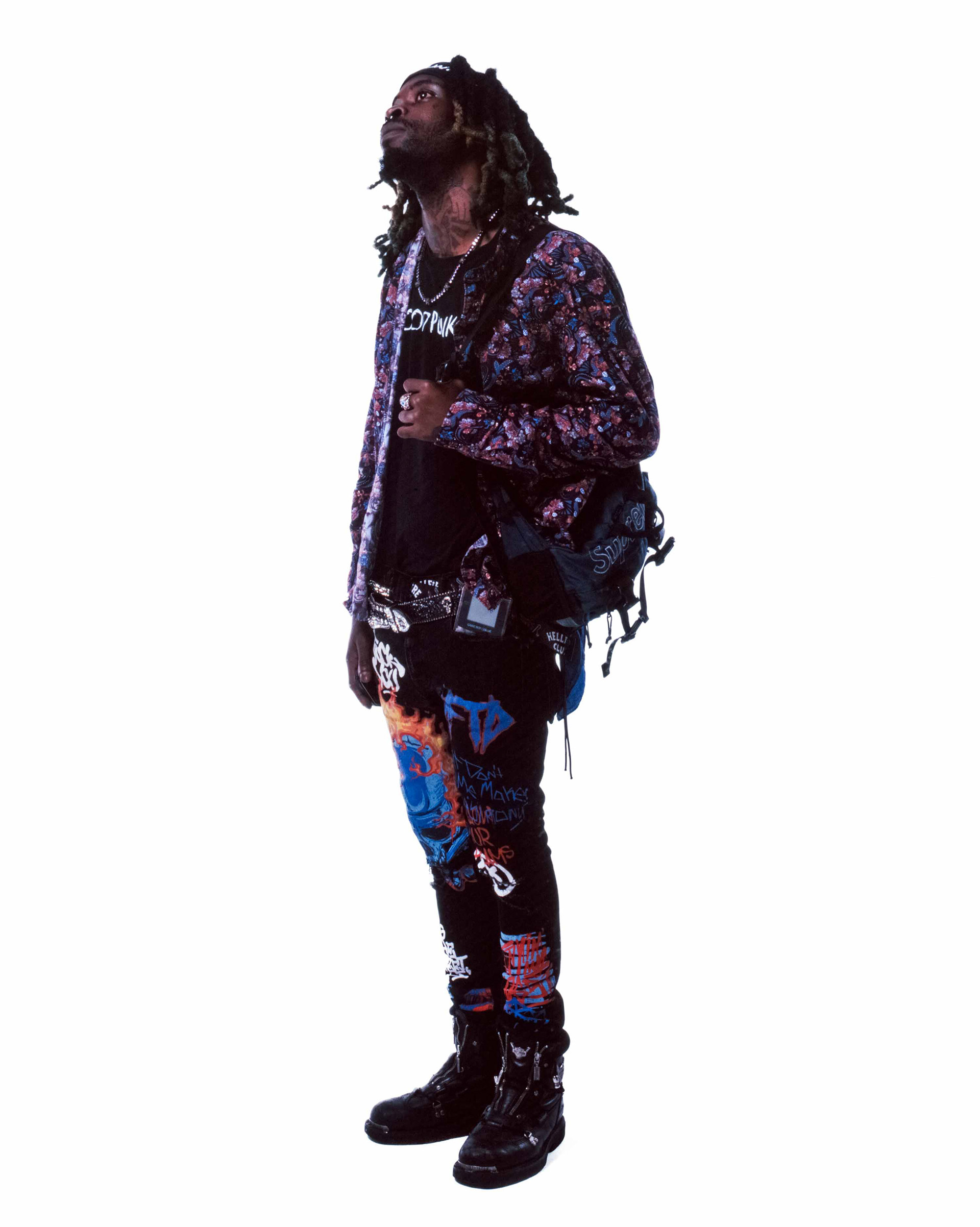
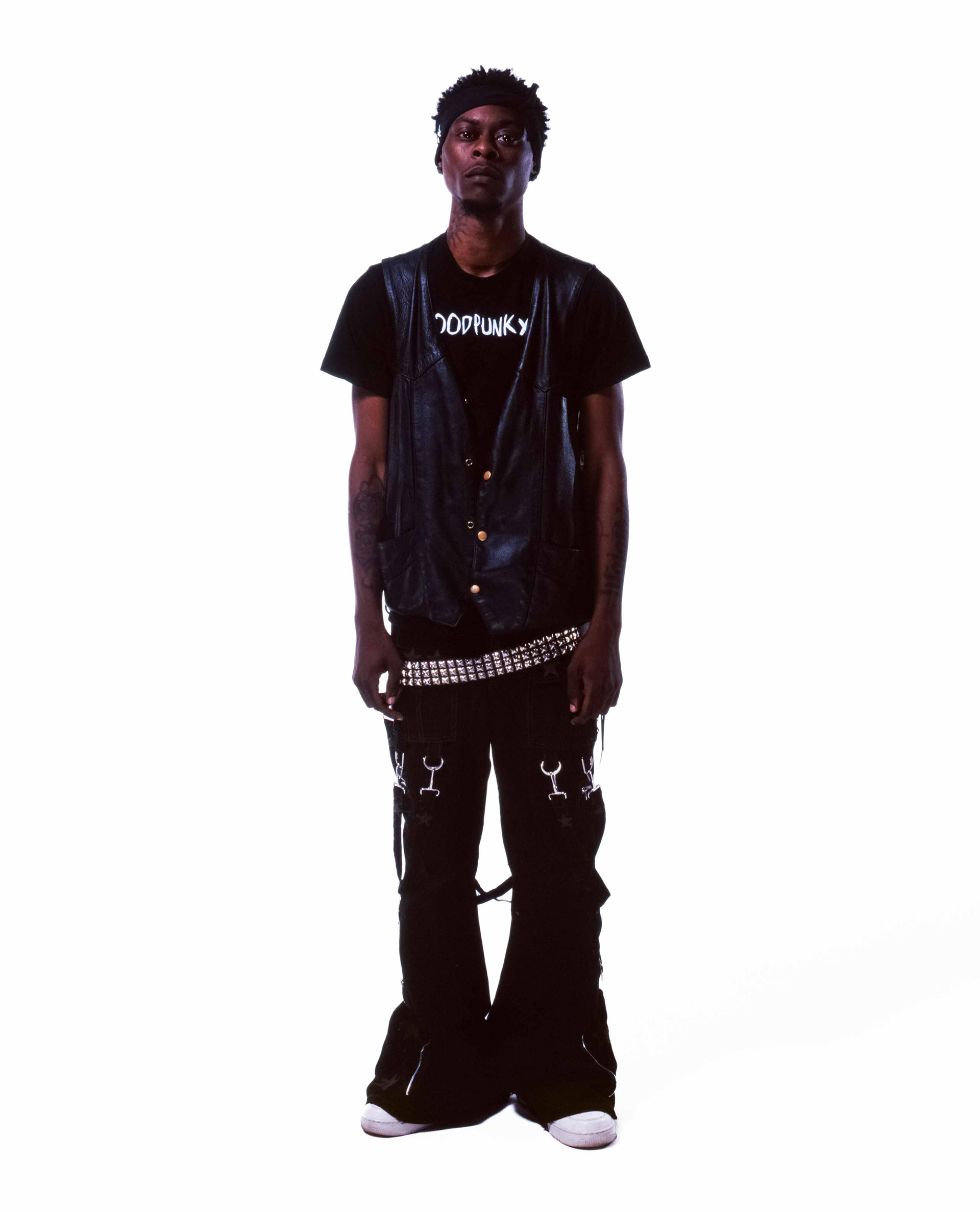
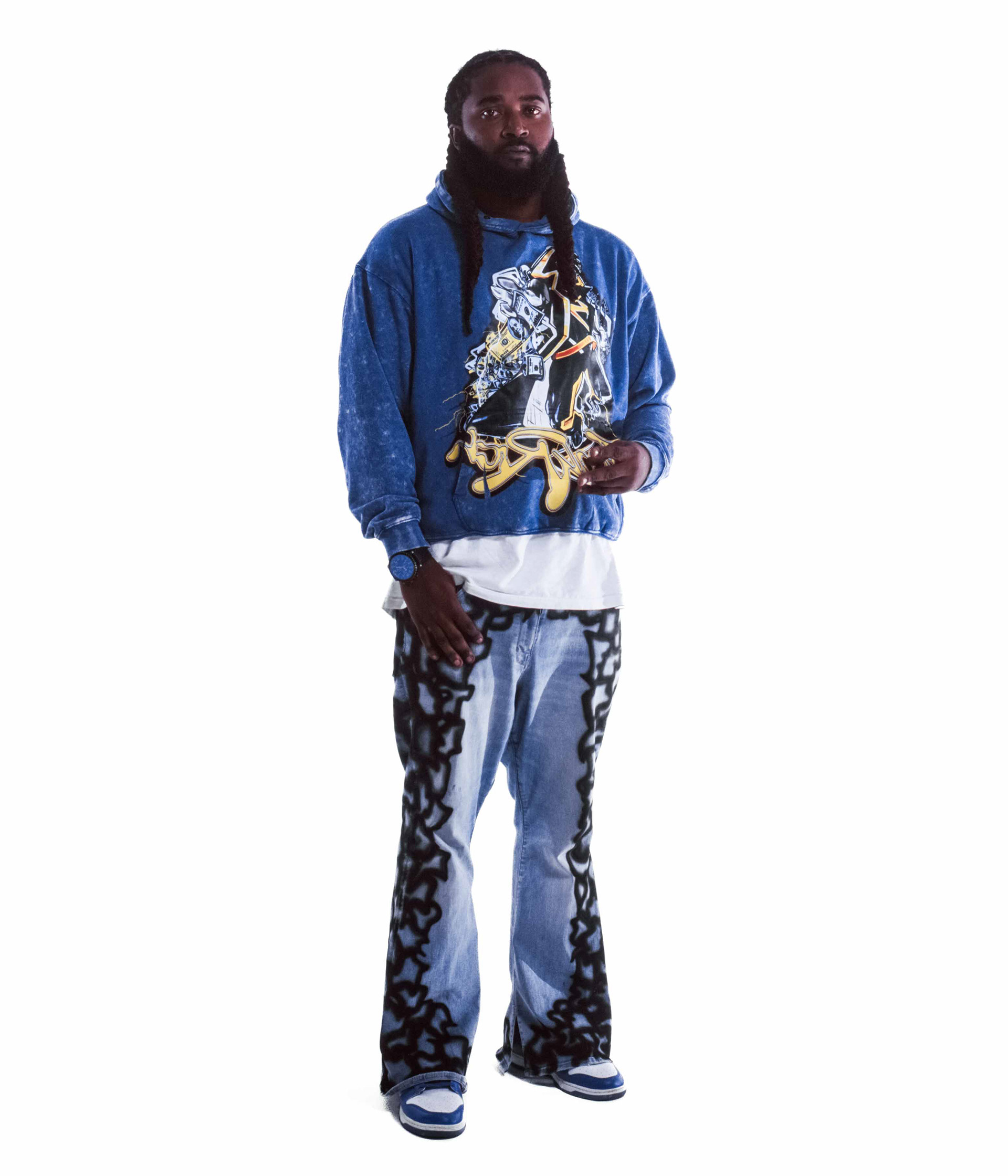
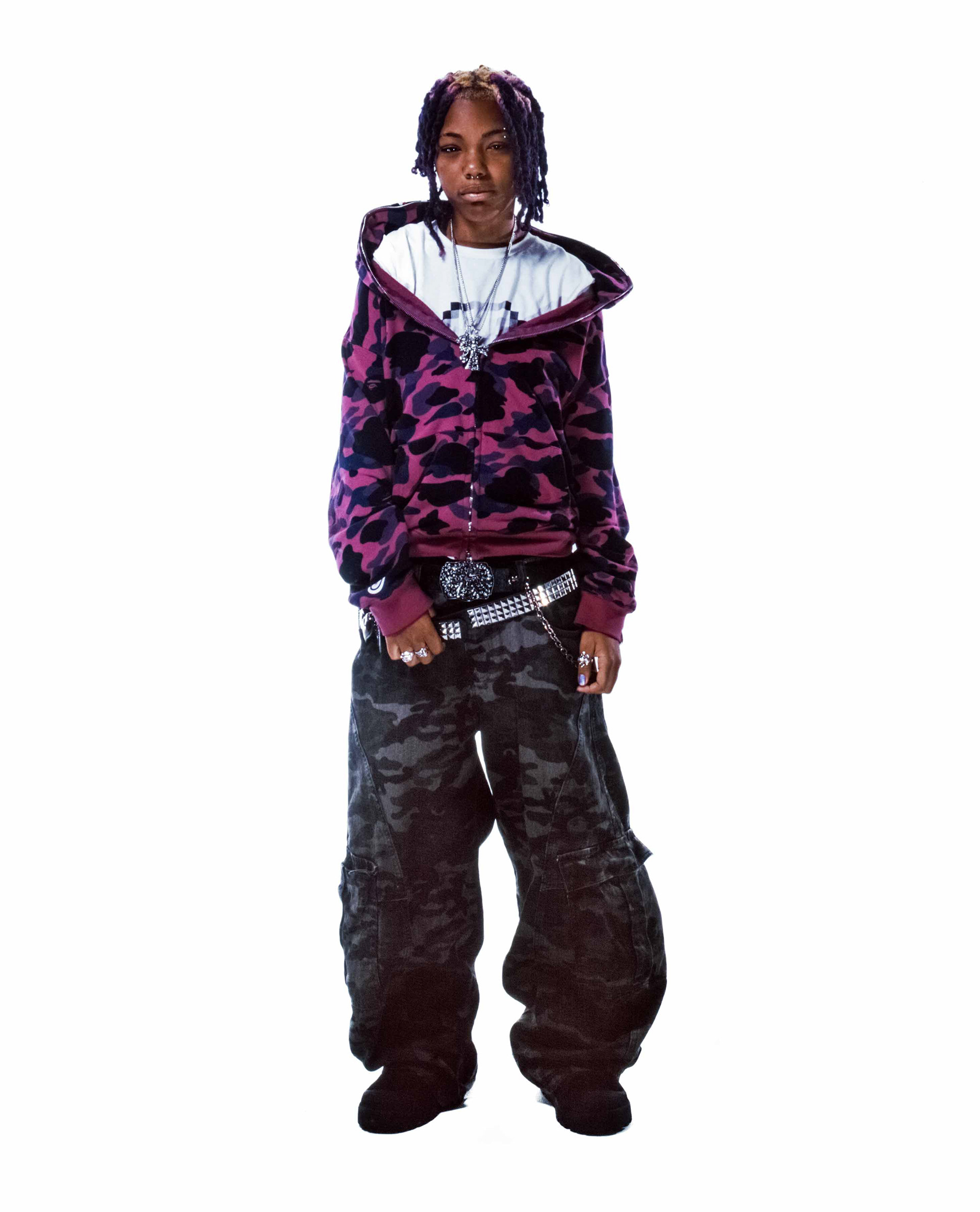
A huge aspect of this project was documenting the fashion of 2025. Fashion is an ever-evolving form of human expression, and there’s no better place to see what’s new than WSP. I saw so much creativity in what people chose to wear, and even the people you might consider ordinary had a chance to show off their style. Clothing became its own kind of language in the park. But while the fashion might be the loudest visual element in this project, what really drew me into the park was the music. There are incredibly talented musicians I have the privilege of listening to every day—from the guys jamming classic rock to the rotating jazz groups to a legendary drummer who keeps going no matter the weather. The sound of the park shapes the atmosphere just as much as the people in it. Together, the clothes and the music created the rhythm of the place, and that rhythm shaped how I understood the people I was photographing.
There are so many micro communities in the park. It would be impossible to name or capture them all. While I wanted them all in this book, there's an overflow of creativity and passion that no one could fully harness.
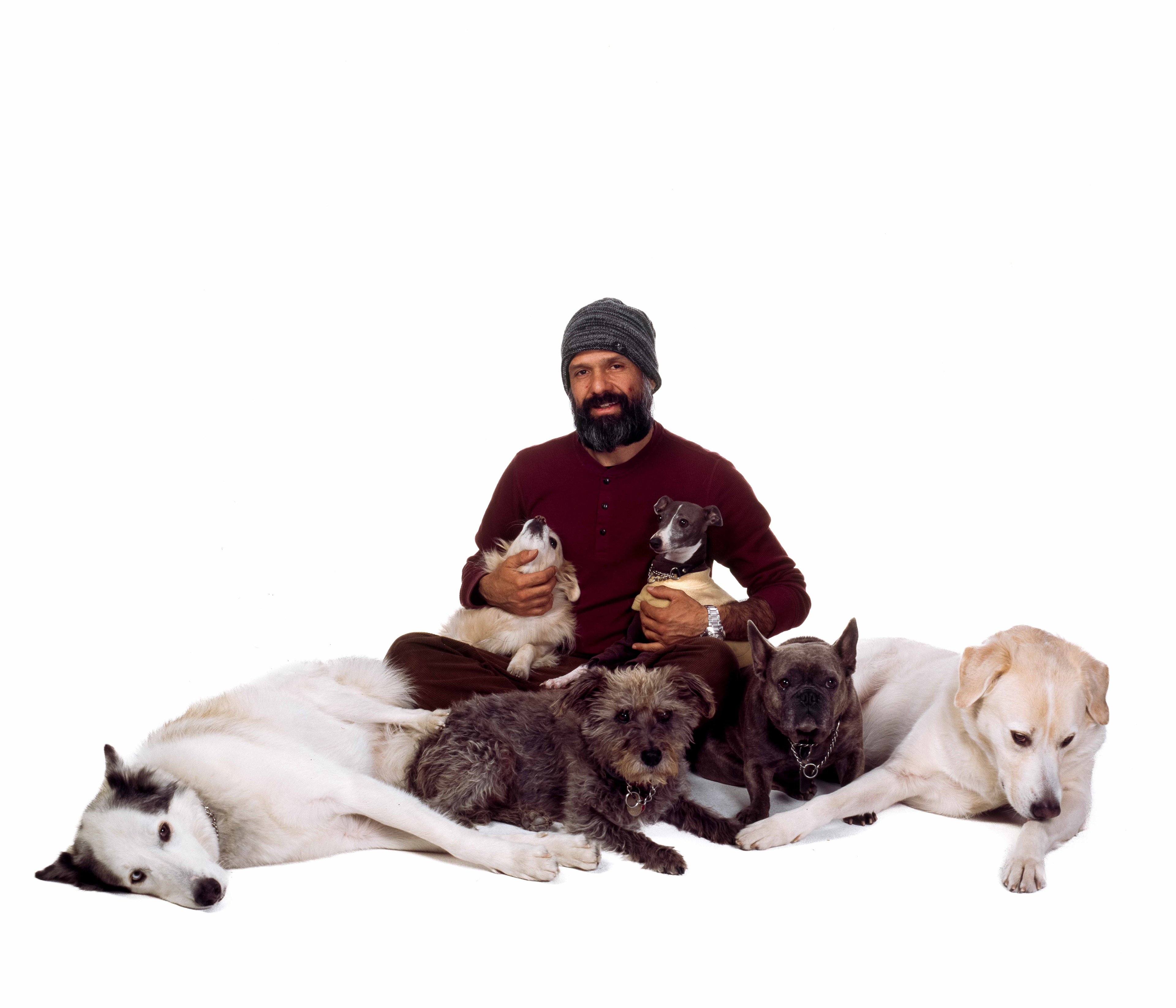
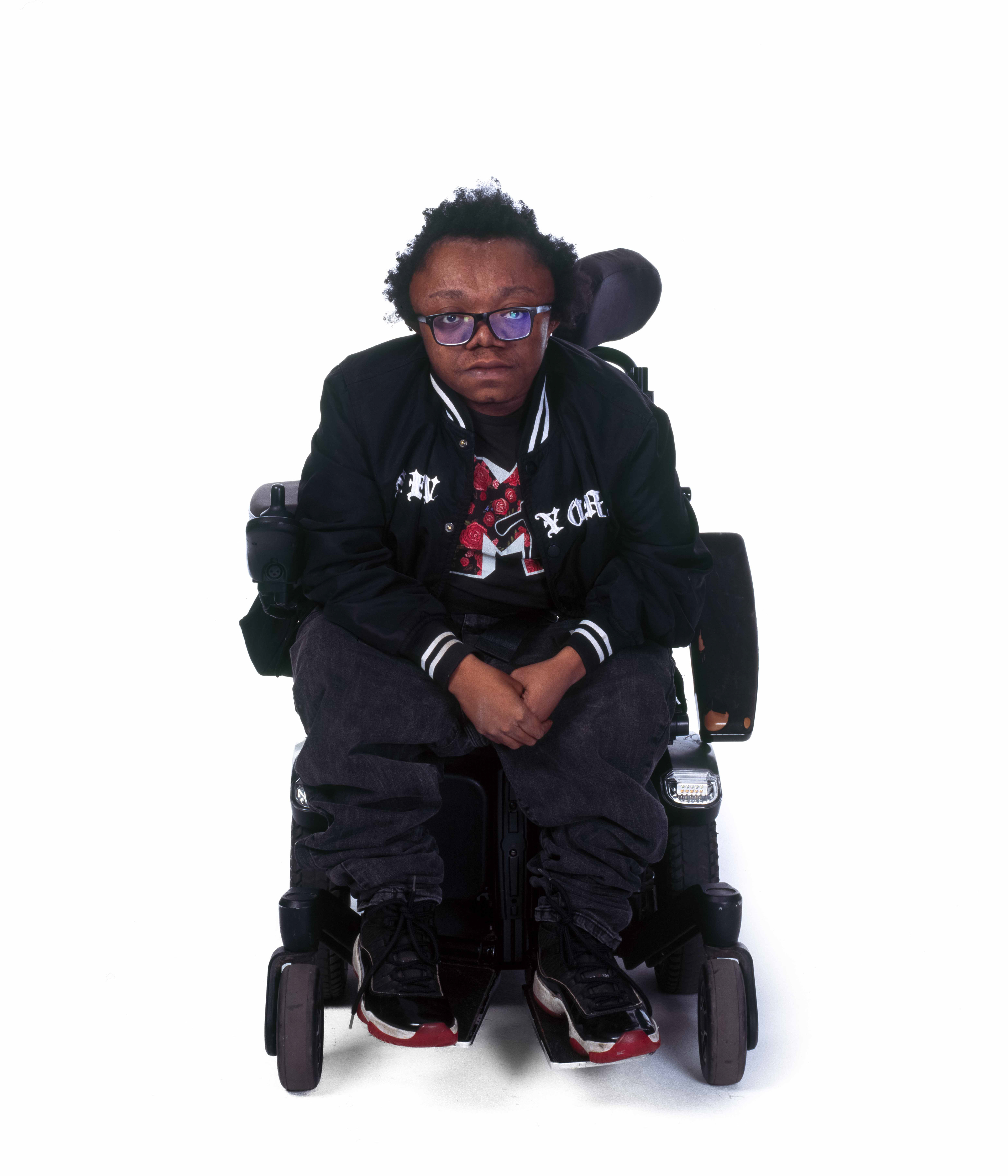
As days passed, these strangers became my friends, and as these relationships grew, I began thinking about how to capture the spirit of the park in my own way. I’d already been taking portraits in the park for some time, so I wanted to shift the approach. That’s when I thought about removing the subjects from the environment completely. A white backdrop puts them in a sterile space, isolating the person and letting their story stand on its own. The uniformity across all the portraits creates a kind of visual equality—no one gets a better or worse picture. Personality, fashion, posture, and presence do all the talking. To make this happen, I convinced 200 people to follow me into a studio just a few blocks away and let me take one picture. “It will only take 15 minutes.” Some people were excited immediately; some took months of convincing.
This project relied deeply on trust. I got plenty of no’s, but as word spread through the park community, people started to hear about the book, and it became much easier to bring new faces in. In that way, the community built this project with me.
Washington Square Park has always been a reflection of New York’s identity. What began in the early 19th century as a burial ground and military parade square slowly transformed into one of the city’s most iconic public spaces. By the late 1800s and early 1900s it had become a gathering place for writers, artists, activists, and students—a stage for everything from folk music to political protest to everyday street life. Over the decades, the park has carried the imprint of beat poets, the folk revival, civil rights demonstrations, chess hustlers, NYU students, and generations of New Yorkers passing through. Its history is a long chain of communities shaping the space and being shaped by it, which is exactly what drew me to it. The same creative, chaotic, welcoming energy that defined the park a century ago is still alive today, and this project is my attempt to document the people who keep that tradition breathing.
The entire project was shot on medium-format slide film, which meant no one—including me—could see the photos for days. That limitation made me more deliberate and created a sense of trust with the people I photographed. Each person only got one frame, so it had to count. I’ve always felt at home shooting film, and the colors of slide film in particular made the portraits feel alive. It was a gift to see each and every photo come out. Still, working without instant feedback was hard.
This book wasn't just made by me, it was made by the park community. While I brought everyone together I couldn't have done it without the kindness, inspiration, and love from everyone I photographed.